

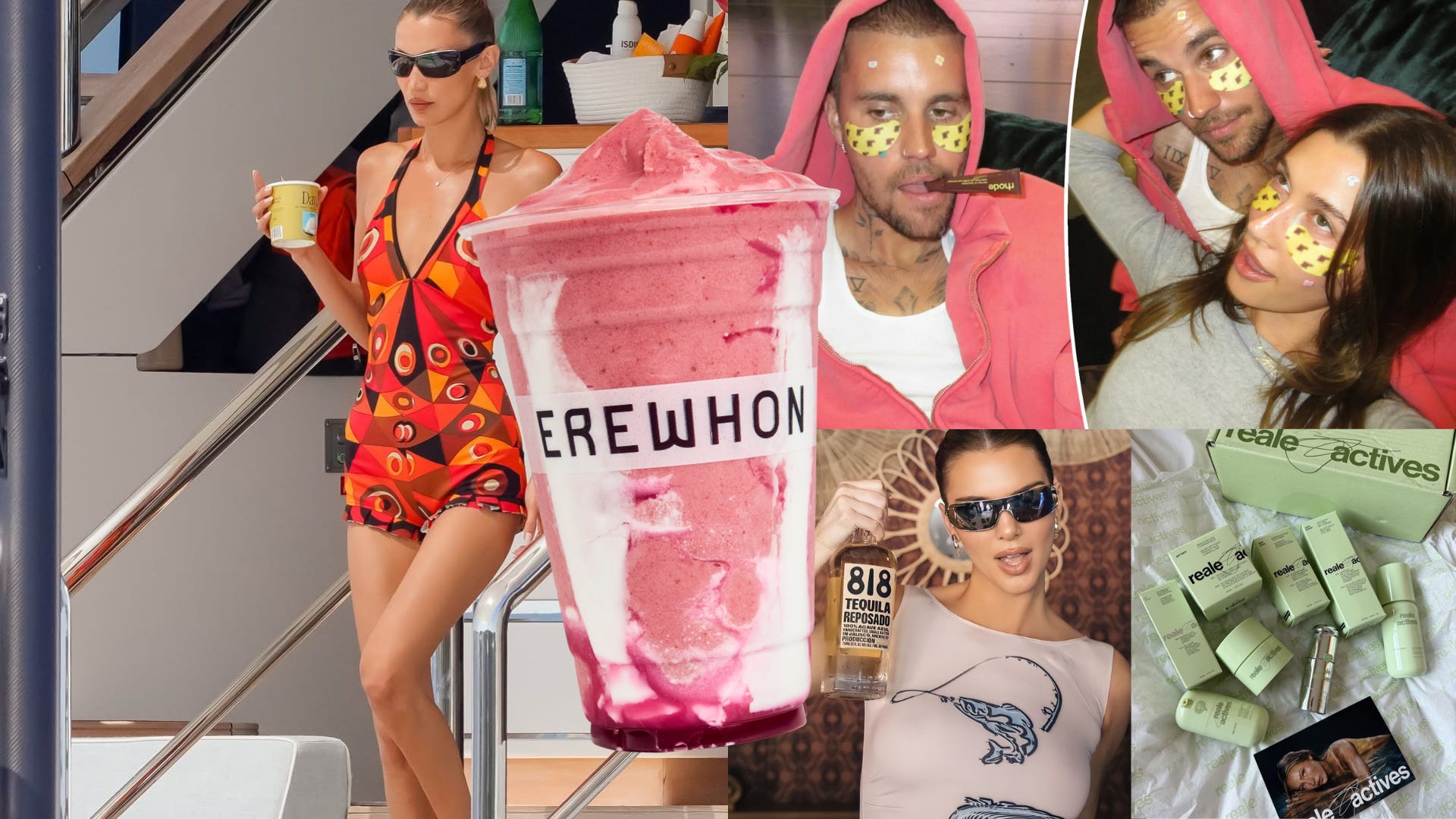
A few weeks back, Bella Hadid was spotted on a yacht in Saint Tropez eating David’s new protein ice cream straight from the pint before it launched. It looked candid. The paparazzi picture was sun-drenched and effortless. To stumble upon it felt like uncovering Hadid’s little secret. Stars! They’re just like us; they eat ice cream straight from the pint. Shockingly, even those like Bella Hadid. It made me want to be on a yacht on the Mediterranean eating a pint of ice cream, which tells you everything about why it worked.
But was it a paid product placement?
Everything in the photo was, suspiciously, perfect. Not to mention the brand name was perfectly oriented. And the image was everywhere, including on Pucci’s Instagram page. The comment sections were all filled up with the predictable chorus of want, envy, and jokes. When asked how Hadid scored a pre-launch pint, David’s founder, Peter Rahal, told Emily Sundburg’s FeedMe that “she’s a fan.”


I even stumbled upon an Instagram video with the caption, “saw@bellahadid eating David Icecream so obvs I had to try it.”
But does anyone actually believe that Hadid was spontaneously eating a pint of ice cream, brand name perfectly placed, and was organically captured by the paparazzi?
Of course not.
And yet, once the product “officially launched,” it sold out immediately. I’m guessing not solely because of Hadid, but not, not because of her either. The gap between what we know to be true and how we respond has never been wider. The scariest part is that brands have figured out how to market to this fascinating gap.
And while David seemingly did this flawlessly, that’s not always the case. J.Crew recently worked with fashion-focused creators, all of them posing in the same dress with the same straw basket. The goal was likely to have this be the “viral” dress of the summer, similar to how their rollneck sweater became “the sweater” of this past winter, but consumers saw right through it. TikTok creator Megan Brinton has less than 10k followers, but created a video captioned, “the pics were all gorg but seeing 15+ people in the same sponsored outfit does not influence me to buy something‼️ consider me deinfluenced.” At the time of writing, it has over 40k views with comments like, “Brands need to understand that when partnering with a creator, it behooves them to give them creative freedom over their selections and styling bc their followers know when it’s their true style.” and “I saw the same dress 4 posts in a row like whyyyy all at the same time and same dress 😂”

 Tiktok failed to load.
Enable 3rd party cookies or use another browser
“When you’re negotiating a deal, of course there are deliverables. There are posts, appearances, content commitments, usage rights, and approvals. That’s the business side. The mistake brands make is assuming that more control equals better performance. In reality, the opposite is often true,” notes Sara Brooks, Co-Founder of Goldilocks, a CPG brand growth and strategy firm.
She continues, “The more prescriptive the brief, the more branded the language, the more heavily art-directed the content, the less believable it becomes. The best celebrity partnerships are surprisingly loose at execution. The brand establishes the strategic guardrails, but the celebrity retains enough creative freedom to make the content feel native to how they already show up in the world. That’s because audiences aren’t evaluating whether a partnership is paid. They assume it is. What they’re evaluating is whether the endorsement feels plausible.”
It’s the suspension of disbelief. When you sit down to watch a movie, you don’t actually think the people on screen are real. You know it’s a set and that it’s scripted, yet you still cry at the ending and flinch at the jump scare. The emotional experience is real, even when the premise isn’t.
The internet appears to have reached this theory, too. We know about influencer contracts. We know that “candid” shots are often the product of a dedicated photographer and come at a steep cost. We know that a celebrity being photographed at Erewhon three times before announcing a smoothie collab is no coincidence. The infrastructure of these moments is, at this point, fairly obvious to anyone paying attention, and yet, the engagement climbs anyway. “As people face increasing financial and professional insecurity, we’re observing youth audiences wanting less unattainable signals of aspiration, and genuine solutions to help them navigate their lives. We all know brands are here to sell you products, but if they also help provide entertainment, access, or a genuine sense of belonging, people need this more than ever,” Christian Hurley, Head of Cultural Intelligence at The Mix Global, tells me.
It’s something more like a cultural contract. Brands have agreed to deliver creatively, and consumers have agreed to play along.
What makes that contract hold? Part of it is social proof, the deeply human tendency to treat the behavior of others as a signal for how we should behave. When something appears in everyone’s feed simultaneously, the volume alone creates a sense of relevance. And if you’re in the know of what’s relevant, what does that say about you?
Aspiration, it turns out, doesn’t require belief. We can know that a moment was engineered and still feel the pull of the world it depicts. The ease with which Bella Hadid eats ice cream on a yacht makes me want to live in her world. It’s the beauty and the suggestion of a life that protein ice cream will give you. We’re not buying the product so much as buying temporary access to a story we find appealing.
Participation in it becomes a form of self-expression.
Brands and strategists have been circling this insight for years, but the more sophisticated ones have started designing for it explicitly. Consumers, the thinking goes, don’t reject marketing as a whole; they just reject being treated like they’re not smart enough to see it. The new game is making the advertisement entertaining enough, or culturally resonant enough, that people want to participate.
“As marketeers, it’s crucial we do not underestimate how savvy consumers are. Across our research, we are consistently impressed by the analysis, observations, and ideas that come from outside our industry. It’s less about being manipulated and more about earning a right to be part of the conversation,” shares Hurley.
The industry spent years preaching the importance of “authentic storytelling,” the idea that brands needed to appear unpolished and real, but that era feels more and more out of date. What’s replaced it isn’t the abandonment of authenticity so much as a different definition of it, one that’s less about aesthetics and more about coherence.
“For years, the industry treated authenticity as synonymous with being unfiltered, unscripted, or raw. I don’t think that’s the right definition anymore. Today, authenticity is about consistency. It’s when a product, founder, partnership, or campaign feels like a natural extension of a story consumers already know to be true,” Brooks mentions.
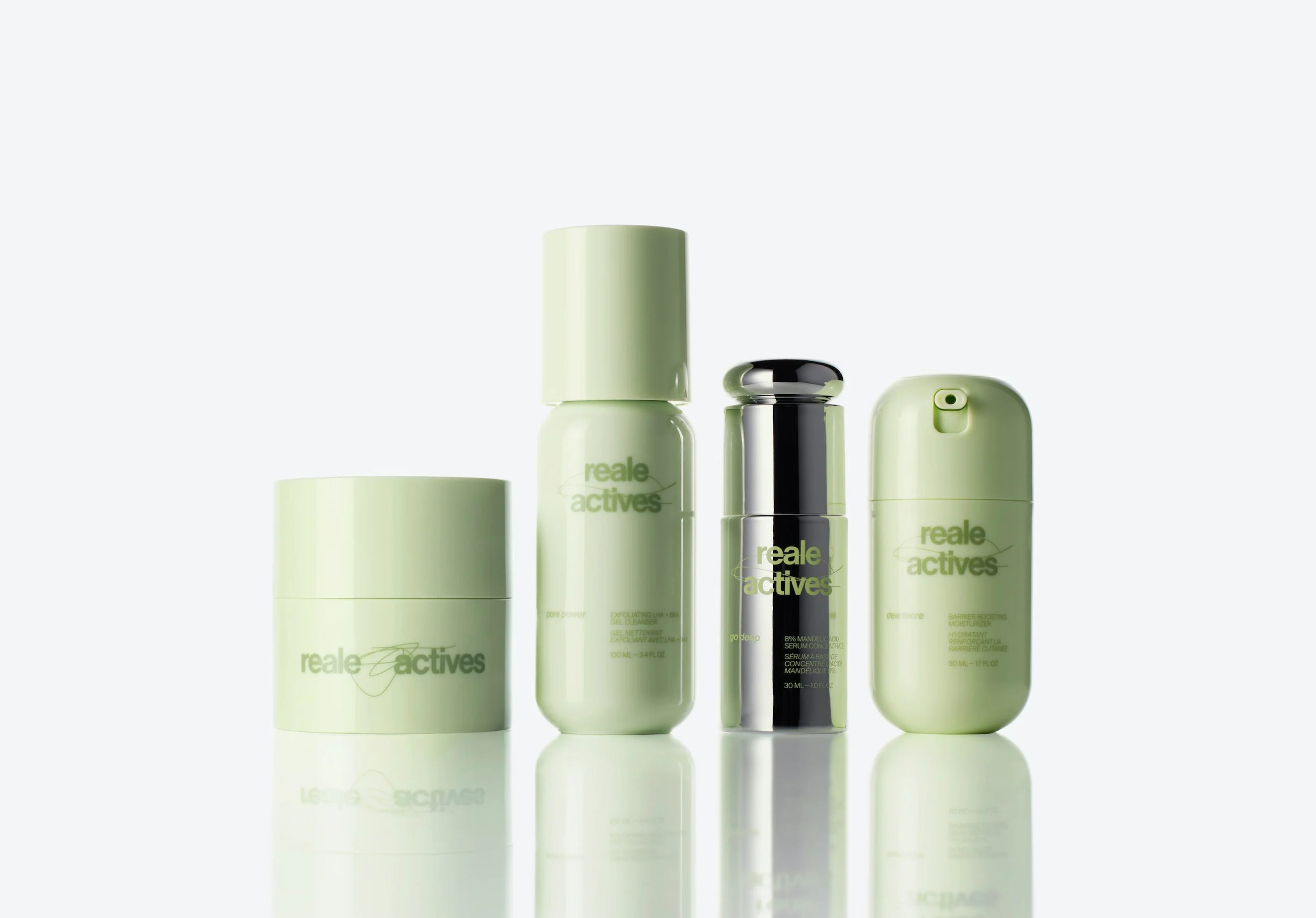
She continues, “A good example is Alix Earle‘s recent skincare launch, Reale Actives. Her audience didn’t embrace the brand because they believed it appeared out of nowhere. They embraced it because she had spent years openly documenting her struggles with acne, skin treatments, breakouts, and the emotional impact that comes with them. Long before there was a product to sell, there was a conversation.”
By the time Hailey Bieber’s strawberry skin-glaze smoothie became an official Erewhon collab, she’d already been photographed there so many times that the partnership felt more like a confirmation of something consumers already believed. The entire arc of paparazzi shot to product launch was the campaign.
The same thing happened with the rollout of Kendall Jenner’s 818 Tequila, where she appeared in casual settings holding the bottle long before the brand was officially announced. Or Justin Bieber wearing a Rhode eye mask courtside, a paparazzi image that circulated for days as celebrity gossip before the marketing context became apparent. Or, famously, Beats headphones and their years of celebrity seeding ahead of the Apple acquisition.

Brooks notes, “Consumers know they are being marketed to, but they are not necessarily offended by that. What they reject is being treated as if they are not smart enough to see the machinery. The new game is not ‘hide the marketing.’ It is ‘make the marketing entertaining enough, useful enough, or culturally fluent enough that people want to participate anyway.”
David, the protein bar brand, is aggressively designed and aggressively self-aware, from founder presence to product extensions. The cod launch alone became a cultural moment because it was strange enough to warrant an argument. It’s engineered chaos.
So if we know, and we engage anyway, what does that say about us?
The easy answer is that we’re being manipulated as consumers. But manipulation implies passivity, and passive isn’t quite right for what’s actually happening. Most consumers, when they share a staged brand moment or add a product to their cart after a “candid” celebrity sighting, have made some version of a choice. They’ve decided that the entertainment value, the aspiration, the social currency, or simply the product itself is worth the transaction.
Hurley shares, “With audiences savvier than ever before, you’re not trying to pull the wool over their eyes, but inviting them in on your strategy. In the UK, M&S is doing a brilliant job of peeling back the curtain, transforming its staff into online personalities. M&S food developer Kathryn Turner has been going viral thanks to her authentic expertise, and the brand is benefiting in real time.”
And he continues, “In theUS, Crocs commissioned the love story series, ‘Charmed to meet you’. The top comment is ‘Why am I so invested in this ad?’ The content lives on the brand’s channels, so the intention isn’t hidden. Both examples lay their cards on the table in very different ways, and provide the audience with the choice of how they want to engage.”
There’s also a harder question underneath this: what happens if we care too much? To reject every staged moment, every engineered viral drop, every papped celebrity, would be to opt out of a significant portion of contemporary culture. For many consumers, the alternative to engaging isn’t a purer, more authentic feed—it’s a smaller, quieter one. And who’s to say that’s not the better kind of feed?
“Often we detect the manipulation but accept it anyway and indeed, share it. There is growing skepticism, but at the same time, brands and everyday life are moving increasingly online. So if we choose to reject it, will we fall out of touch? I think this question is creating a sense of deniability or indifference. I think the majority of consumers still choose to participate, but in the future, I can see the balance shifting,” says Emily MIllar, a freelance brand strategist.
That said, there are limits. We’re less forgiving when the performance feels out of touch, and when the spectacle suggests a carelessness about the audience’s intelligence or mood.
Ultimately, the best brand moments have always understood that emotional truth and manufactured circumstance are not mutually exclusive. You can design a feeling. You just can’t fake having earned the attention around it.
Until next week,
Show clients what the packaging looks like — without leaving your design tool

Design your label in Kittl, see it on a photorealistic product mockup, and export CMYK-ready files — all in one place. No switching tools, no render wait. Just the visual they need to say yes, and the production file ready to go. Use code DIELINE for 25% off any subscription.
To put to perspective when you say this “ The more prescriptive the brief, the more branded the language, the more heavily art-directed the content, the less believable it becomes. The best celebrity partnerships are surprisingly loose at execution. The brand establishes the strategic guardrails, but the celebrity retains enough creative freedom to make the content feel native to how they already show up in the world. That’s because audiences aren’t evaluating whether a partnership is paid. They assume it is. What they’re evaluating is whether the endorsement feels plausible.” It’s worth noticing at the beginning any brand needs maximum awareness , appeal to all content which is why loosely executed dumbed down content works well, great read!