


We’re living in the height of optimization culture, the pervasive mindset that every aspect of life, sleep, diet, work, relationships, and even leisure should be rigorously tracked and improved for maximum efficiency.
And, lest we have forgotten, it’s also the age of Ozempic.
We know humans to be tremendously responsive to circumstance. Change what someone’s surrounded by and adjust what they’re told to focus on, and their behavior shifts almost instantly. This is exactly what has happened to the American eater.
Food should be enjoyed, right? For as long as marketing has existed, brands have attempted to whet our appetites with tasty food and beverages, but now, nothing seems to matter as much as your food doing something more. We’re being told to optimize every bite.
The question is why? And why now?
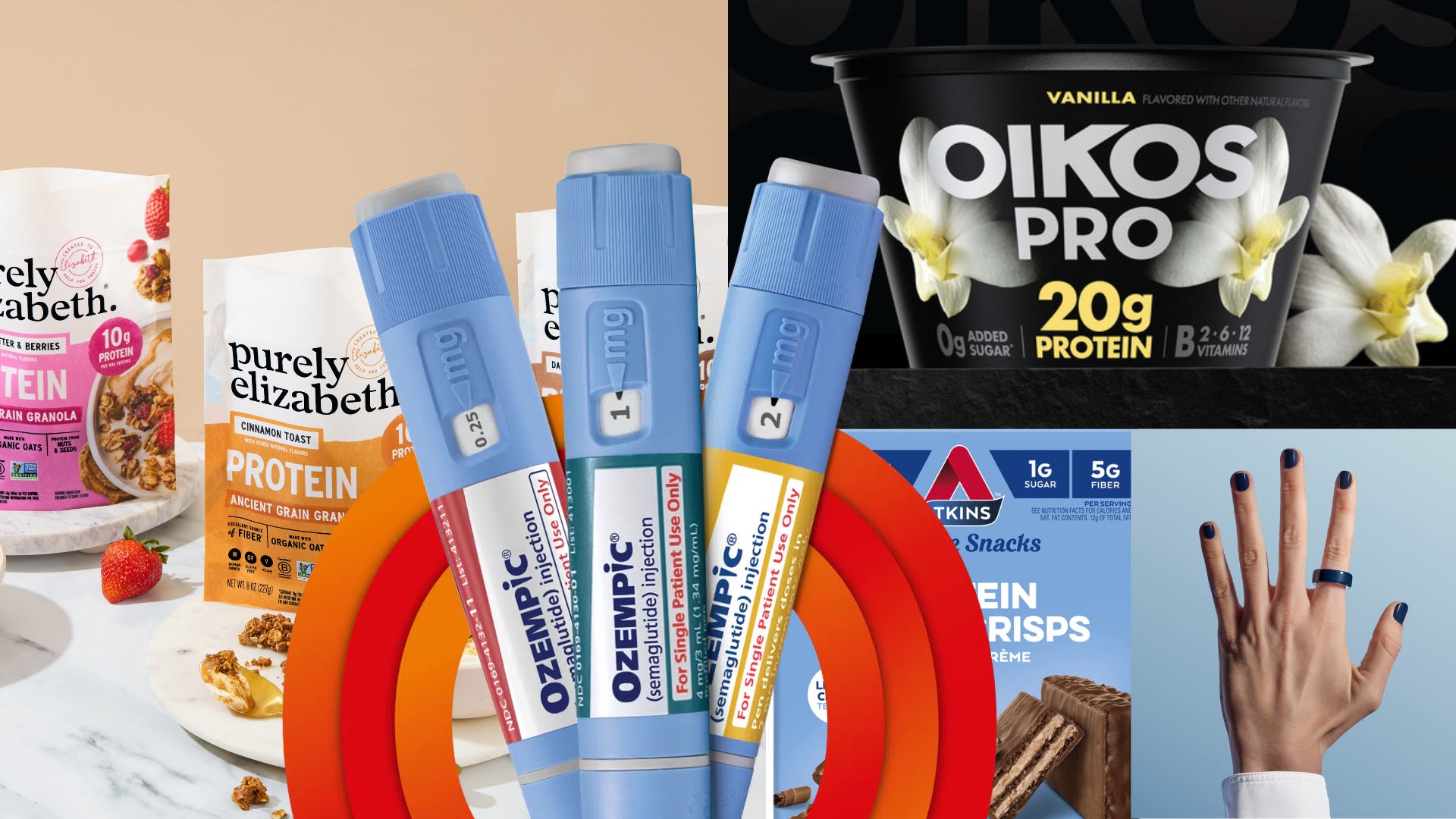
The promise that food can do something beyond nourish you is not new. Even the ancient Greeks prescribed certain foods as medicine.
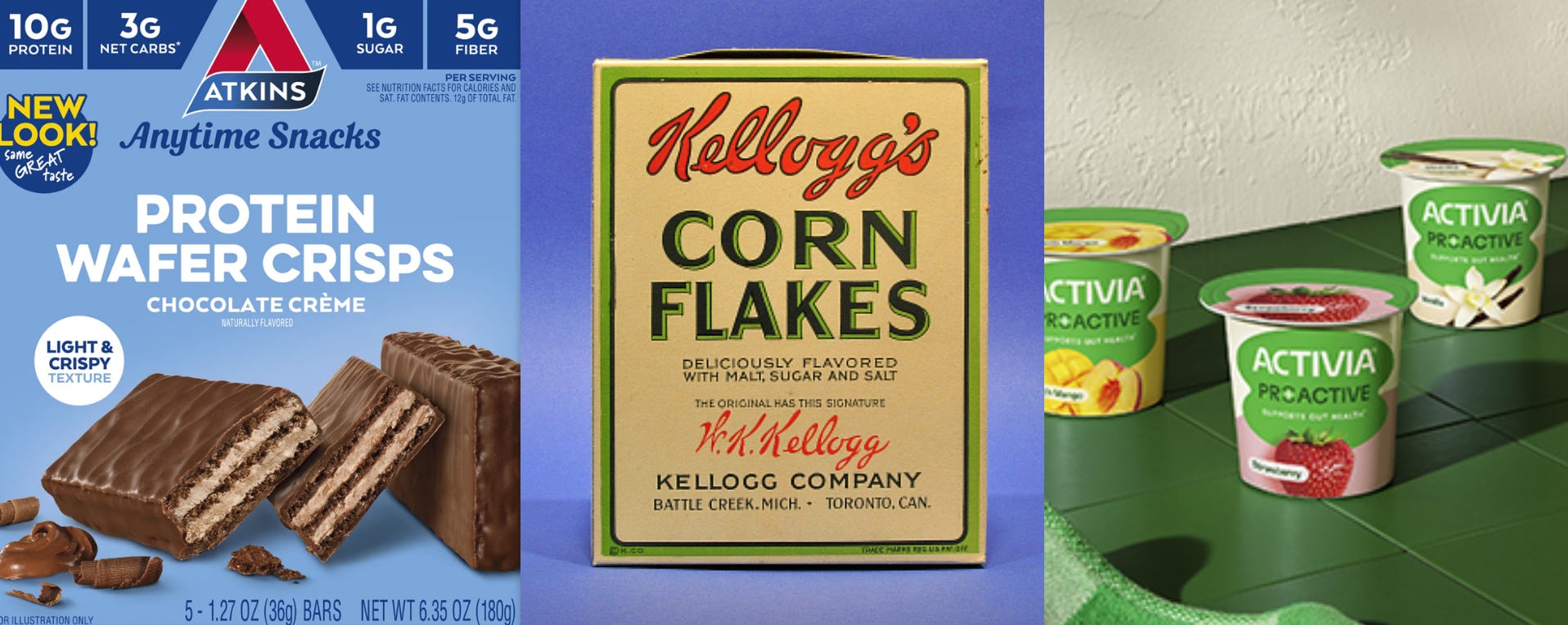
John Harvey Kellogg was a 19th-century physician who invented granola, corn flakes, and peanut butter as part of his mission to promote digestive health and clean living at his Battle Creek Sanitarium. His cereals were actually designed as tools for better digestion and, in his view, moral hygiene.
Cod liver oil was spooned into children’s mouths for decades as a health intervention. Iodine was added to table salt in the 1920s to combat goiter. And the entire category of “fortified” foods, like vitamin D in milk, folic acid in flour, niacin in bread, was a government-backed public health project in the 1920s.
Then, in 1965, Gatorade was launched by a team of researchers led by Dr. Robert Cade at the University of Florida, selling electrolyte replenishment to athletes and eventually to everyone. Activia built an entire brand identity in the 1980s around the promise of digestive regulation.
FiberOne was created by General Mills to help people easily incorporate more daily dietary fiber into their standard diets. The Atkins boom of the early 2000s, founded by the cardiologist and author Dr. Robert C. Atkins, reframed the macronutrient composition of every packaged food on the shelf.
So no, functional food is not new.
What’s new is the culture surrounding it. Historically, functional food targeted a specific ailment or demographic. But today’s optimization logic applies to everyone, all the time, regardless of whether anything is “wrong” with them.
Tastewise data captures this shift: consumers in 2026 are 8.3 times more likely to follow a specific targeted diet (anti-inflammatory, keto, gut-health-focused), with the explicit goal not being weight loss but optimization. Food is now viewed as fuel, or at least the cultural logic of productivity-maxxing applied to food. Many American consumers are now focused on tracking their sleep scores, wearing continuous glucose monitors, and logging their workouts by heart rate zone.
If you’re going to eat 400 calories of granola, you want those 400 calories to mean something. “Protein-maxxing,” the practice of maximizing protein intake across every meal, has moved from Joe Rogan die-hard fans to mainstream grocery shoppers. Even Johns Hopkins Center for a Livable Future flagged it as one of the defining food trends of 2026, noting that it is now actively “populating the aisles of supermarket products and restaurant menus.”
As Inspira Marketing noted in its 2026 consumer trends analysis, “food choices have become signals. What people eat communicates identity, lifestyle, and values.” By choosing the high-protein granola over the regular one, you’re saying you’re intentional and someone who takes their health seriously.
Layered on top of optimization culture is a pharmaceutical force that the food industry simply cannot ignore. We’re all well aware that GLP-1 medications, including Ozempic, Wegovy, Mounjaro, and Zepbound, have moved from diabetes treatment to helping everyone and their mother lose weight (seemingly regardless of whether they’re overweight or not). The ripple effects on how Americans eat and shop are now measurable at scale.
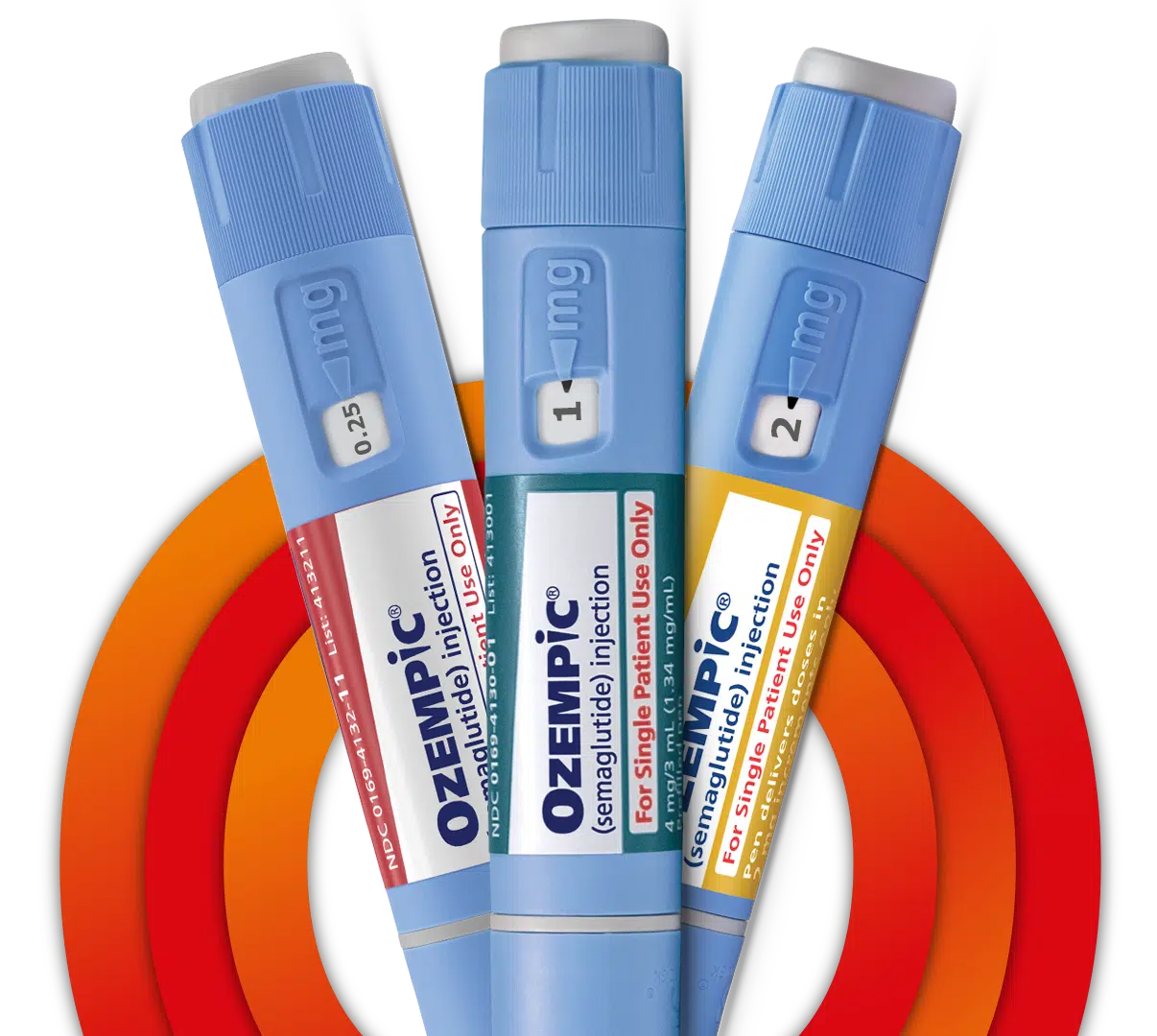
As of early 2026, approximately 1 in 8 U.S. adults was taking a GLP-1 drug, according to KFF Health Tracking data. J.P. Morgan estimates that by 2030, more than 25 million Americans could be on a GLP-1 treatment, up from 10 million today.
Not to be dramatic, but this is a structural shift in the American consumer base.
When you’re only eating 70% of what you used to, you start to think very differently about each bite. You want it to count. GLP-1 users gravitate toward nutrient-dense, high-protein, fiber-rich products because these foods do the most work in a smaller meal. They’re not eating less and eating the same things; they’re eating less and eating “better.” It’s changing the entire food system, at least in America.Nestlé launched its first new brand, Vital Pursuit, in nearly 30 years, specifically targeting GLP-1 consumers. General Mills and Danone are also marketing high-fiber, high-protein products explicitly around satiety and metabolic health.
The Ozempic effect is changing what some people expect food to offer, even those who will never take the drug.
Which brings us to the harder question. How do you add function without losing the reason someone fell in love with your product in the first place?
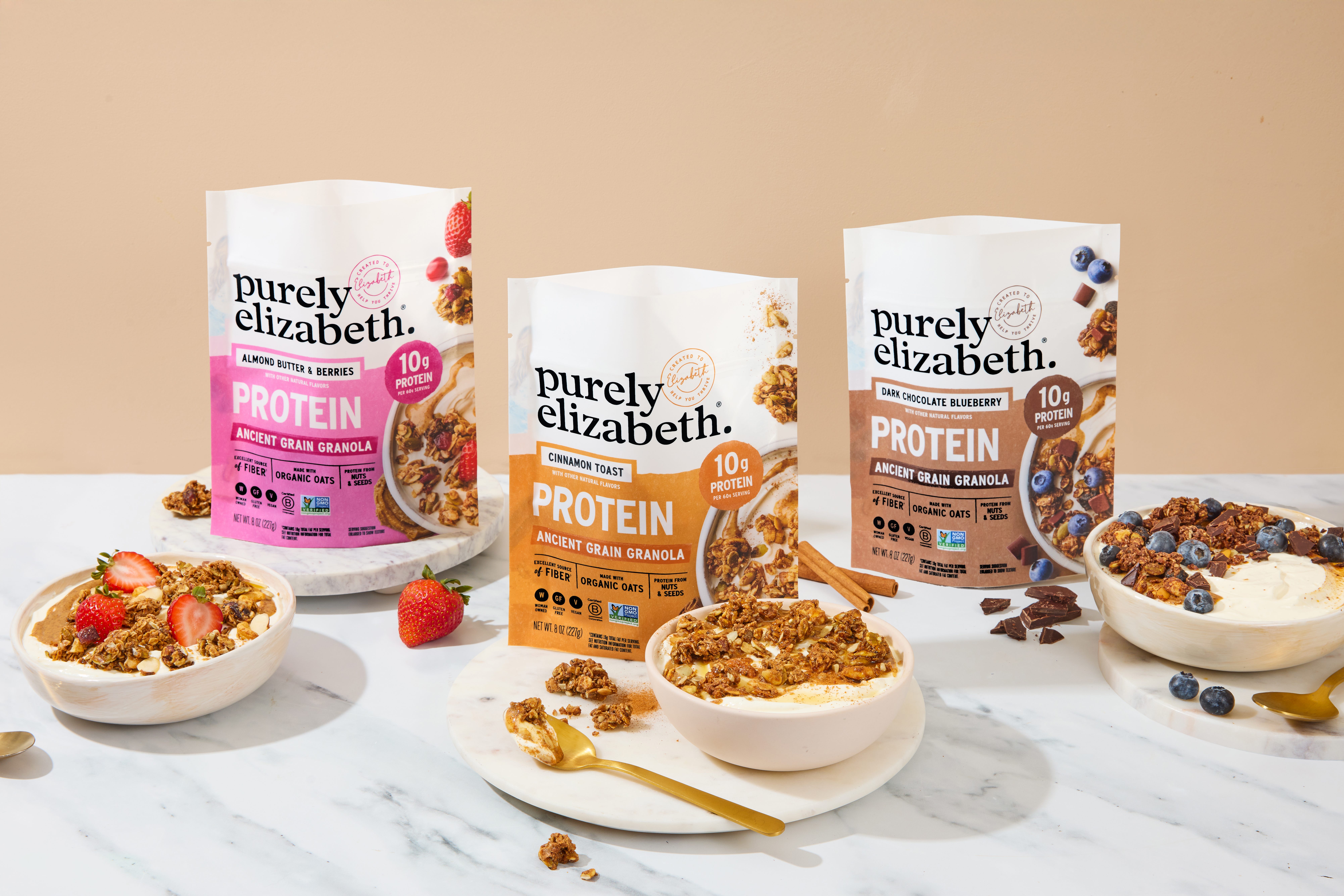
Purely Elizabeth, the brand that helped make ancient-grain granola a household staple, recently launched its Ancient Grain Protein Granola line, delivering 10 grams of protein per serving.
Founder and CEO Elizabeth Stein frames it as a natural evolution rather than a market pivot. “Since day one, Purely Elizabeth has always been about maximizing joy and nutrition way before all the #fibermaxxing and #proteinmaxxing trends. I created Purely Elizabeth to show just how good and nutritious whole foods can be, so there isn’t a need for a tradeoff between flavor and function.”
On the broader question of whether taste alone can still sell, Stein is clear-eyed: “There’s still a time and place for taste-forward experiences, but our ethos is that you shouldn’t have to make that tradeoff between joy and health.”
Yes, food can still taste good. But right now, tasting good doesn’t seem to be what brands value (despite what the latest protein bar being advertised to you on Instagram claims). Between optimization culture’s demand that everything serve a purpose, the Ozempic era’s rewiring of what “worth it” means per calorie, the revised federal dietary guidelines pushing protein recommendations higher, and a consumer who has spent the last three years learning to read nutrition labels like a hawk, the baseline expectation has fundamentally shifted.
Personally, I’m ready for food to just be food again.
Until next week,
This is a fascinating topic. I never though of it that.
So true that this is slowly taking over supermarkets.
I’m in SEA and the protein is stocking the shelves. Spotted a product named Protein water as well the other day.
Between protein popcorn and this, I can’t decided which flummoxed me more.