

If you’ve spent more than four consecutive minutes on TikTok, you’ve seen a beautiful girl with perfect lighting remove the lid from a box and gasp.
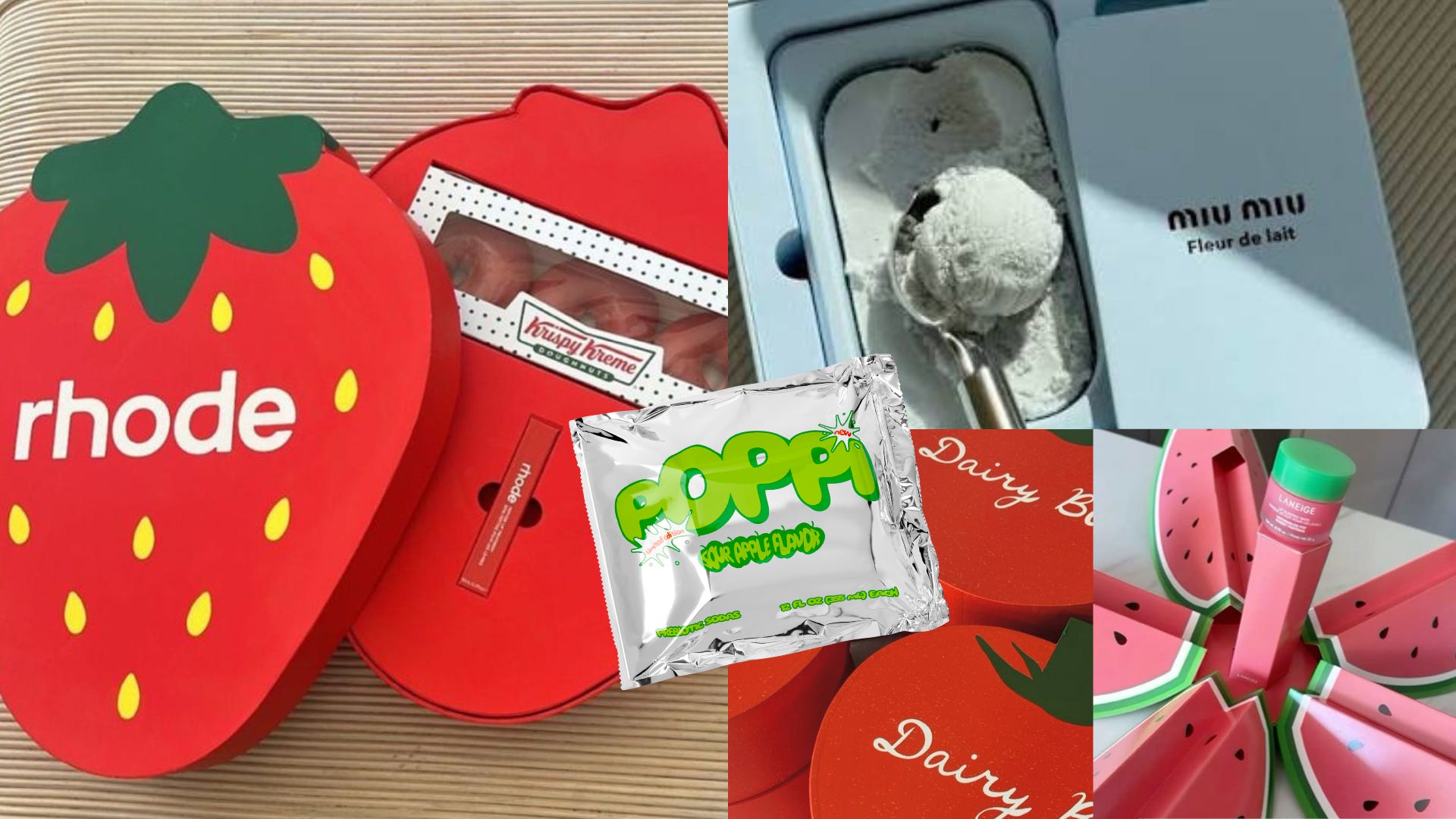
Inside are products she will probably never use, a card explaining the products she’ll likely never read, and, on occasion, something over-the-top and unnecessary, like an iPad. Perhaps you’ll even find boxes shaped like strawberries and kinetic sand designed to resemble ice cream. Regardless, it’s the sort of overconsumption and hyper-overpackaging that makes the comment section do some collective performative moaning before everyone goes back to scrolling for more.
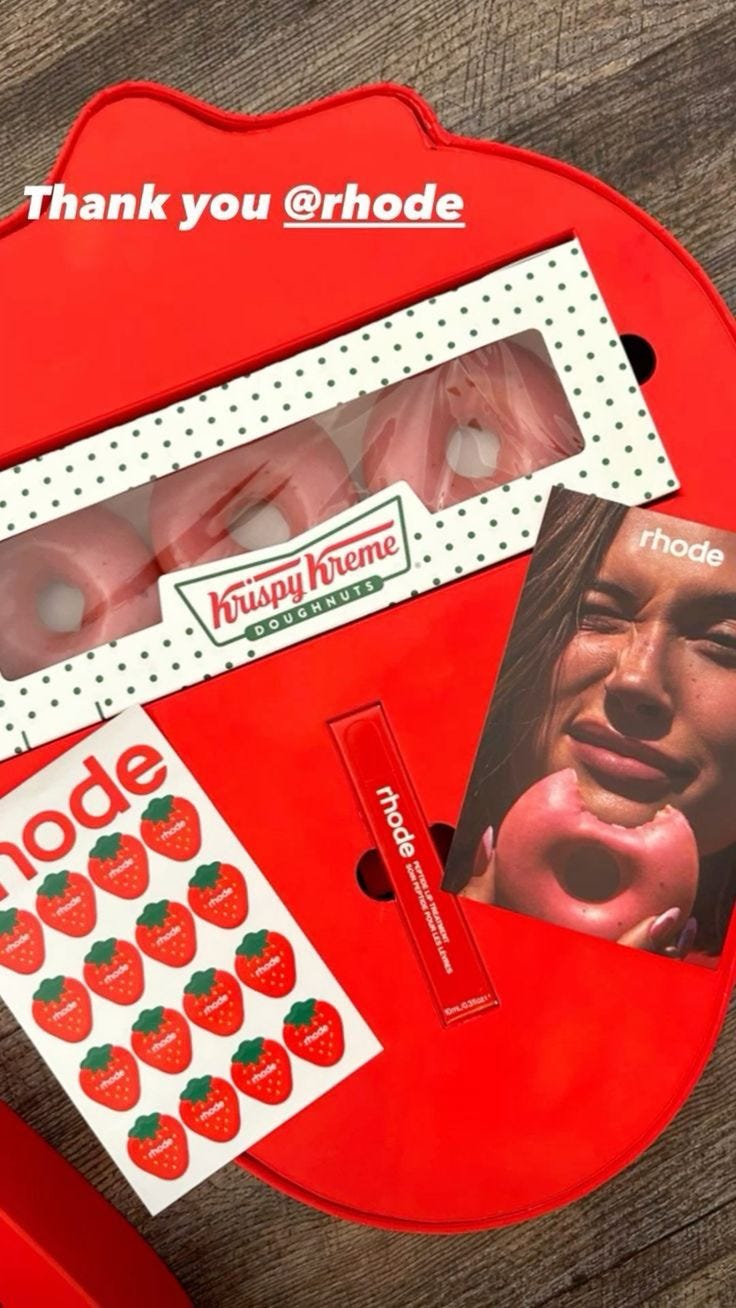
Historically, the PR mailer was a closed system. It went to the creator with the largest following and the most comments per video. It was aspirational mostly because the average consumer couldn’t just buy their way in. Exclusivity became the point.
But the system might be breaking down, and brands are now designing kits anyone can purchase. The timing aligns with a generation raised to want the job on the other side of that unboxing. A brand that builds a consumer kit to mimic an influencer mailer is handing an ordinary shopper the exact role they already want.
A Harris Poll/LEGO survey found that 29 percent of 8- to 12-year-olds want to be YouTubers, three times as many as those who want to be astronauts. Higher education has, unsurprisingly, caught up too. This fall, Arizona State University’s Walter Cronkite School of Journalism and Mass Communication began offering a Bachelor of Arts in Content Creation, a degree the university describes as preparing students “to become an influencer and strategic storyteller who thrives in the rapidly evolving creator economy,” with coursework in “content planning, video and podcast production, global perspectives and personal branding.” Students are required to build a real social-media account and demonstrate actual audience growth as part of their coursework, choosing a platform, developing a growth strategy, and graduating on the strength of real followers rather than a thesis.
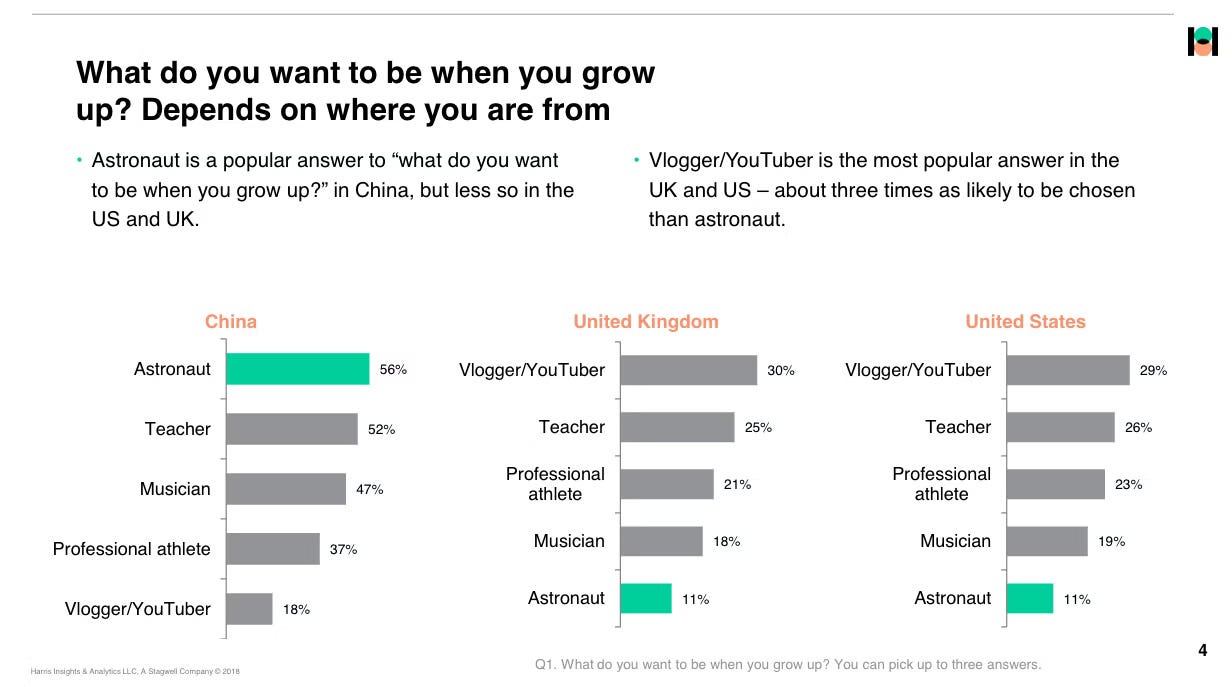
Which means brands can now safely assume that a meaningful share of their customers are not just watching the unboxing videos, they are, in some ways, in training for them.
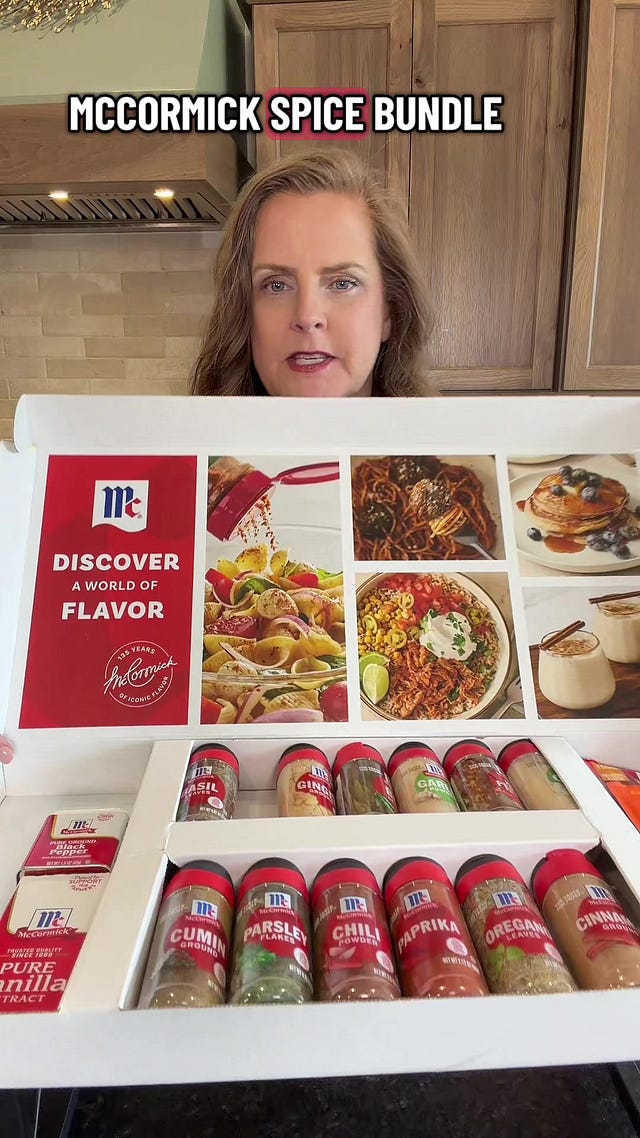
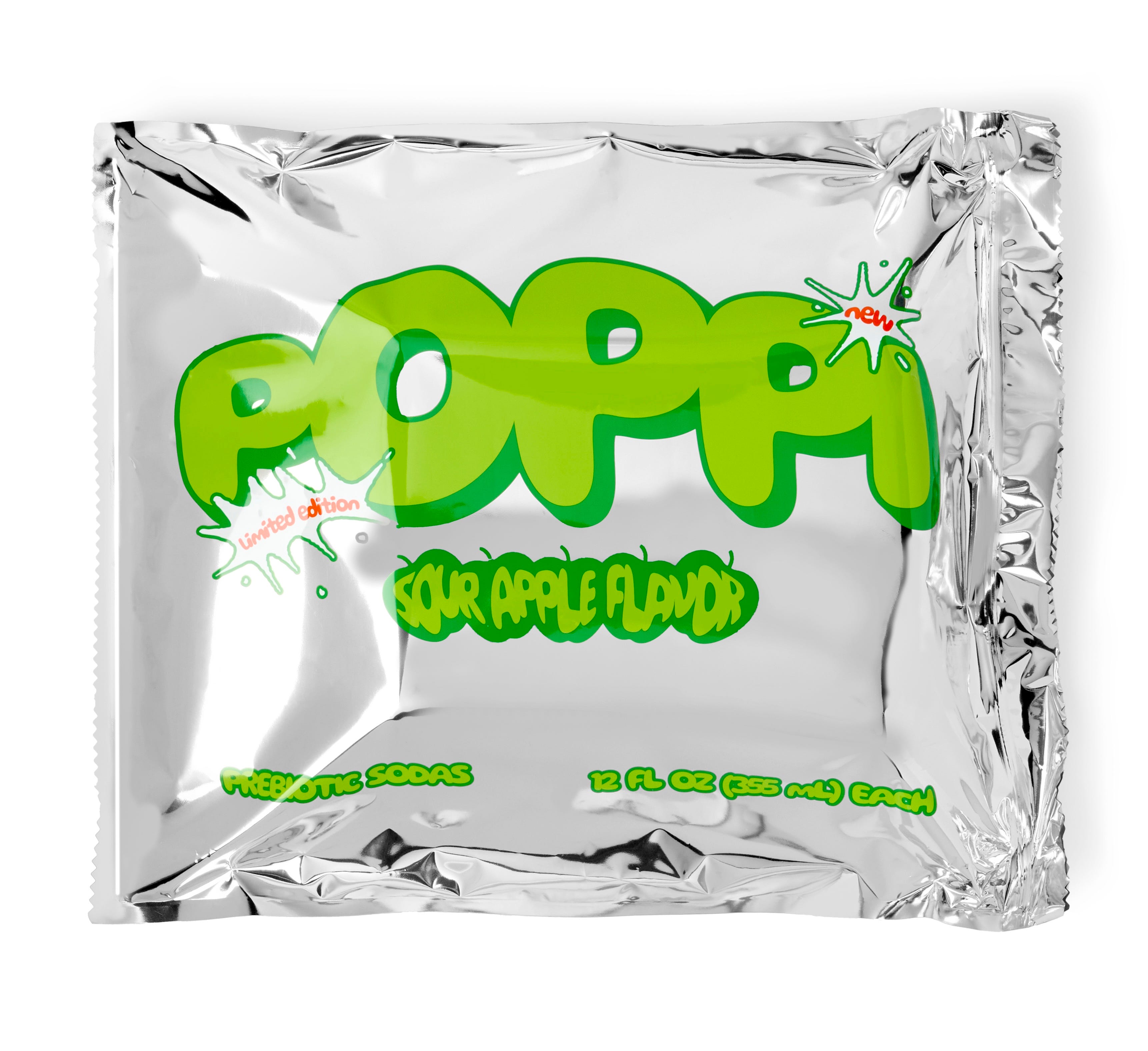
Then there are two recent CPG launches that are smart, strategic moments for the brands. McCormick put a spice collection on TikTok Shop that looks suspiciously like a gifting suite, while Poppi sold a limited-edition mailer on Walmart.com for its new Sour Apple flavor, which sold out in 90 minutes. Both, in their own way, are letting an ordinary shopper purchase their way into becoming an influencer.
 Tiktok failed to load.
Enable 3rd party cookies or use another browser
The McCormick Everyday Flavor Collection is, on paper, unglamorous, with seventeen pieces including herbs and spices and seasoning blends and a vanilla extract, priced somewhere between twenty-five and sixty-five dollars depending on the flash sale of the week. Functionally, it’s a pantry restock, but it’s meant to be filmable and is designed to look like the box a creator gets sent. Nobody at McCormick had to hire a single creator; instead, TikTok Shop’s algorithm and home cooks who wanted to earn commission did it for them.
Poppi’s approach was a bit more deliberate and considerably more literal. I spoke with two members of the brand’s marketing and creative team about the Sour Apple mailer exclusive to Walmart. Katy Jones, VP of Creative at Poppi, was candid that the aspiration is the point of it all. “We fully appreciate the allure of influencer culture,” she shares with me. “The gifting, the unboxing, the thrill of the reveal. We design every detail of our mailers assuming they’ll end up on someone’s feed, whether that’s a creator with a million followers or a die-hard Poppi fan. It’s a moment we don’t want to gatekeep.”
Kristina MacIntosh, SVP of Poppi’s Marketing, walked me through why the drop lived on Walmart.com specifically, ahead of the national shelf date. “Early access was a deliberate part of our launch strategy. Our community loves the thrill of discovering something before it’s widely available, and Walmart.com gave us the perfect platform to create that ‘find it first’ moment at scale before the product reached shelves nationwide.”
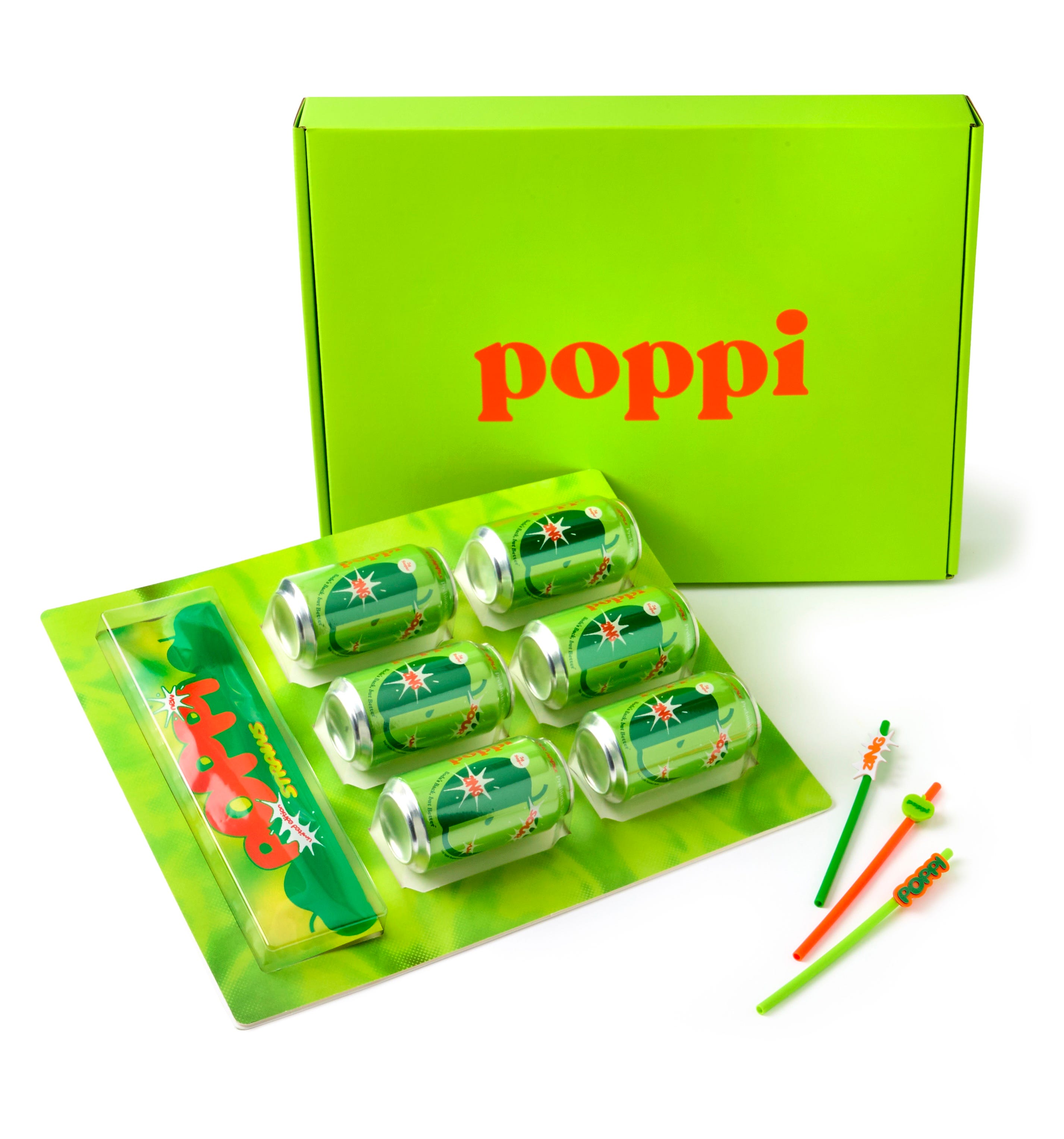
So what counts as success for a campaign like this? MacIntosh didn’t dodge the question. “Our objective is to maximize social impressions by creating a sense of scarcity and exclusivity, making consumers feel they need to find, try, and share Poppi’s newest innovation before everyone else. As mentioned, this sold out in 90 minutes, and we’re looking forward to continued engagement with our community as Sour Apple officially launches on August 10th.”
None of this works without drop culture. A drop is only a drop if it’s scarce, and scarcity only matters if you can tell people you got it first. The Sour Apple mailer is a fixed run, sold through exactly one retail door, timed to land before the national release, and built to disappear. McCormick took a different route; nothing about a seventeen-piece spice set is actually scarce, but the oversized packaging is directly inspired by a typical influencer PR kit.
An entire generation is growing up treating being an influencer as a dream job, and now we’re seeing brands design around the mindset. Average consumers are now influencers, too, for better or worse. So expect to see more and more brands designing influencer kits for purchase.
The point is, a brand doesn’t need to pay a creator’s (likely astronomical) rate if it can get a thousand regular shoppers to unbox on its behalf for the price of a spice set or a limited mailer. The influencer economy used to be a media buy, but now it’s a crowdsourced production, and the “gift” is really the barrier to entry. It’s cheap enough to scale, and if there’s enough content, there’s bound to be at least a handful of videos that turn out to be algorithmic winners. At the end of the day, we’re all influencers now, so why shouldn’t brands play into it?
Stay Fresh,
Burnout isn’t a people problem. It’s a workflow problem.
If you're starting the week with a pile of approvals and a stretched-thin creative team, the weekend didn't fix anything. It just delayed it. Join us August 13 to see how high-performing teams have built workflows that actually scale.
Really good example of making sure that every part of a product and brand generates conversation
It was an interesting read. 💯
I am from India and the creator economy here has been booming since pandemic that is 2020.
Creators used to earn much better before 2020 and when the pandemic hit, almost every other house started filming videos that is when the overall revenue dropped for individual creators.
My curios take here is, if everyone starts becoming a creator, how will they earn from the actual content? Will they even earn without relying on brands? This has already started happening in India.