

I love it when a headline reiterates a fleeting thought I’ve had before I’ve read a single word of the article. That was me with Rachel Handler’s Grub Street piece, The Chocolate Conspiracy, and its subheadline: “Everyone in my life agreed: It tastes different now. I ventured into the molten belly of our crumbling world to find out why.” The piece is a deep dive into why mass-market chocolate is tasting worse lately, from Hershey’s secretive recipe swaps to the FDA loopholes that make them legal.
I don’t eat candy often enough for my own suspicions to solidify into anything more than a wistful, sugar-fingered blip. But I’d felt it, too.
Candy, and not just chocolate, has felt less imaginative lately. It hasn’t filled the same excitement-filled void of my childhood that it once had. Gone are the days of Yogos, Hershey’s Golden Almonds or Kissables, Ouch! Bubble Gum, Good ‘n Fruities, and the list goes on.
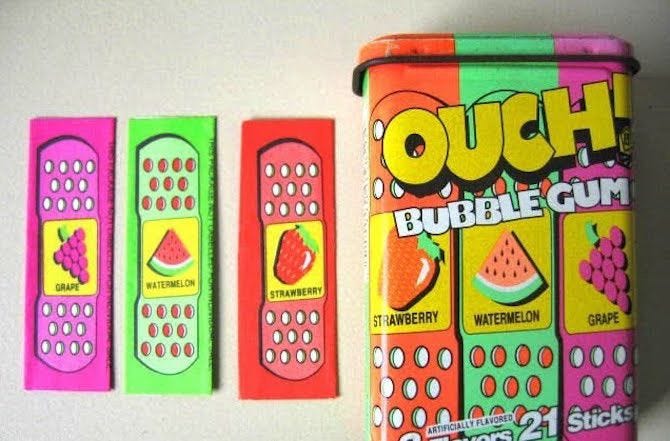
My dad used to work for a movie rental store, you know, the pre-streaming days of having actually to leave your house to find something to watch. My favorite co-worker of his was the candy buyer. I’d always sprint to his office to see what the newest candy innovation was and whether there was anything I could try for myself. Candy, back then, felt ever-changing and always new, but it’s been years since I’ve felt that sense of discovery.
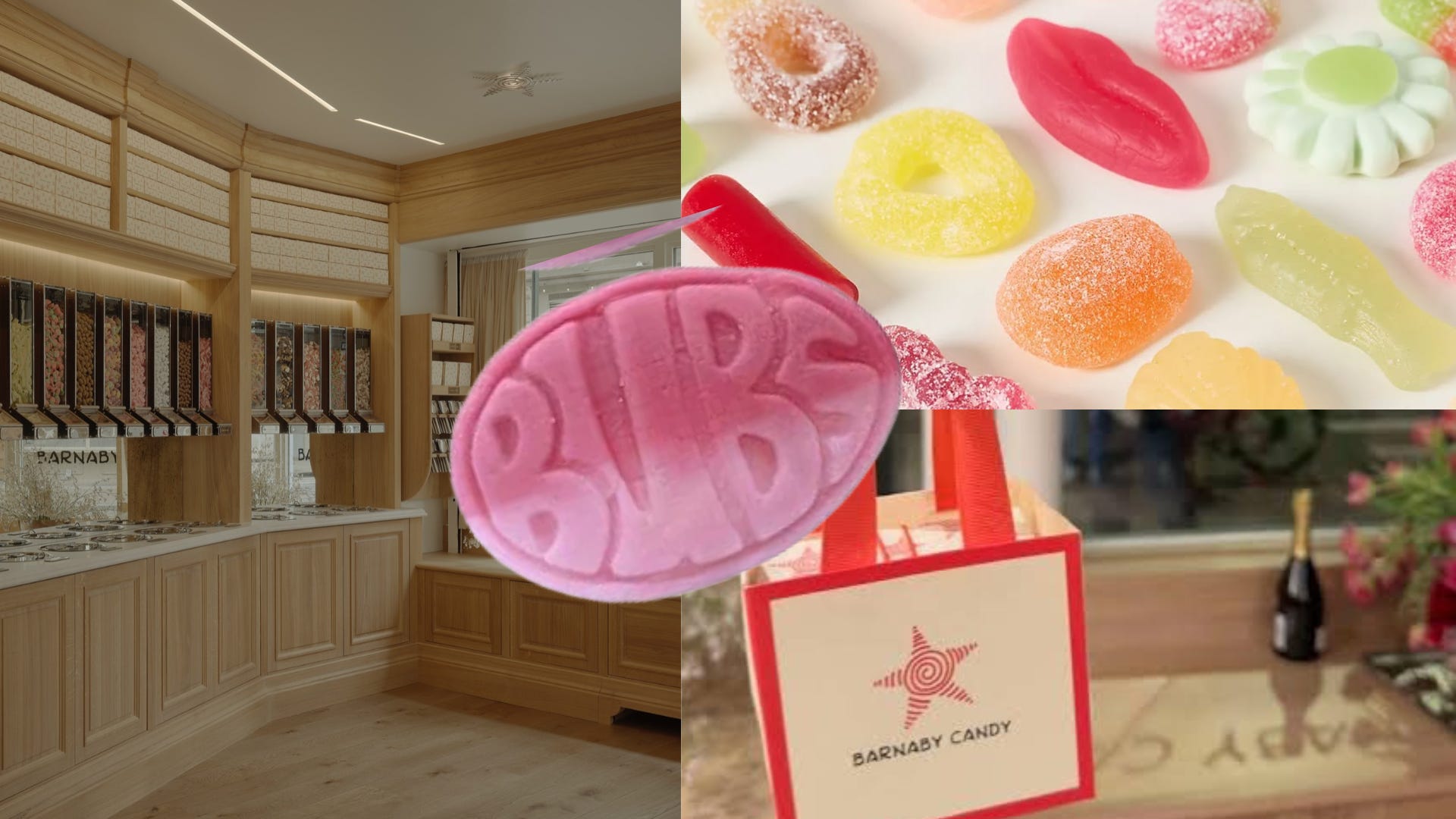
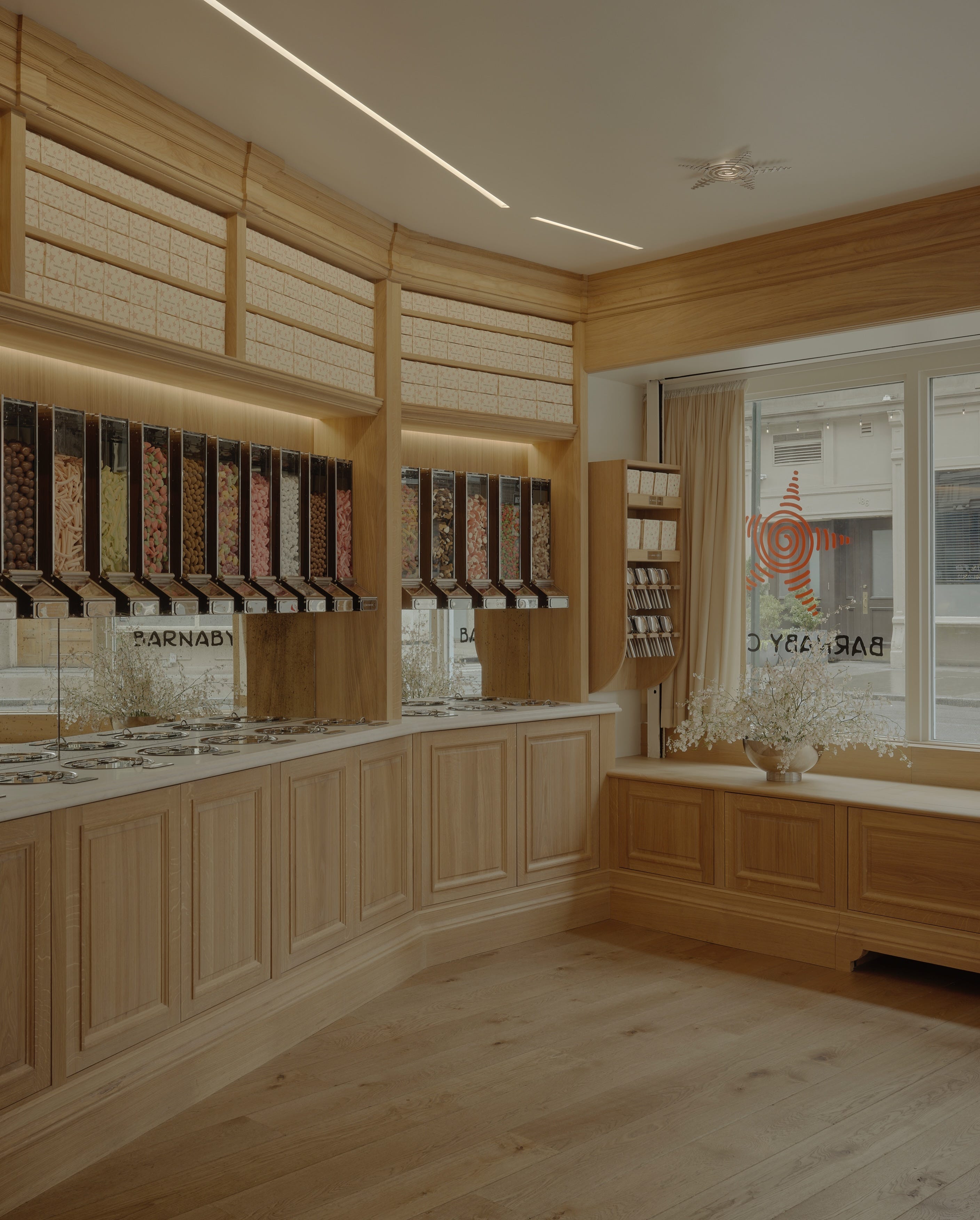
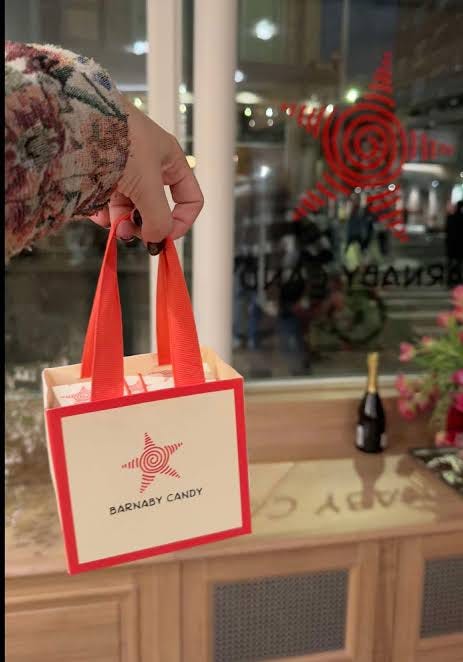
This past November, Barnaby Candy Company opened on West 4th Street in New York, and instead of a wall of Mondelēz and Mars candies, its bins hold candy sourced from around the world like banana caramelized cashews, cinnamon almonds, and a few curveballs like a pickle-flavored sour gummy. You pay by the size of the bag, not the brand. It’s a few blocks from CandyKing, the Swedish pick-and-mix giant that opened its first U.S. store on Bleecker Street last December, and from Lil Sweet Treat. The BBC reported this summer that New York’s candy stores keep multiplying despite a retail slowdown, likely because they aren’t selling American brands. Rather, they’re selling an escape from them.
BonBon, founded by Swedish friends Selim Adira, Robert Persson and Leonard Schaltz, started as a single pink shop on the Lower East Side in 2018. It now has seven locations across New York and Connecticut, a wholesale business, a Tory Burch collaboration and, as of this year, its own potato chips.
Then there’s Bubs, which began in 1992 when a Swedish family mortgaged their home to buy their first candy machine. Orkla bought it in 2023, TikTok fell for its foamy skulls and ovals, and since launching in the U.S. in August 2025, it has grown from zero to 60,000 stores. This fall, Swedish studio Super Tuesday and Rob Clarke rebuilt its packaging around the candy itself, making the oval the centerpiece with squishy lettering that echoes the product. Bubs built its brand around what the candy actually is, while Hershey replaced the chocolate in some of its candies with vegetable oil coatings.
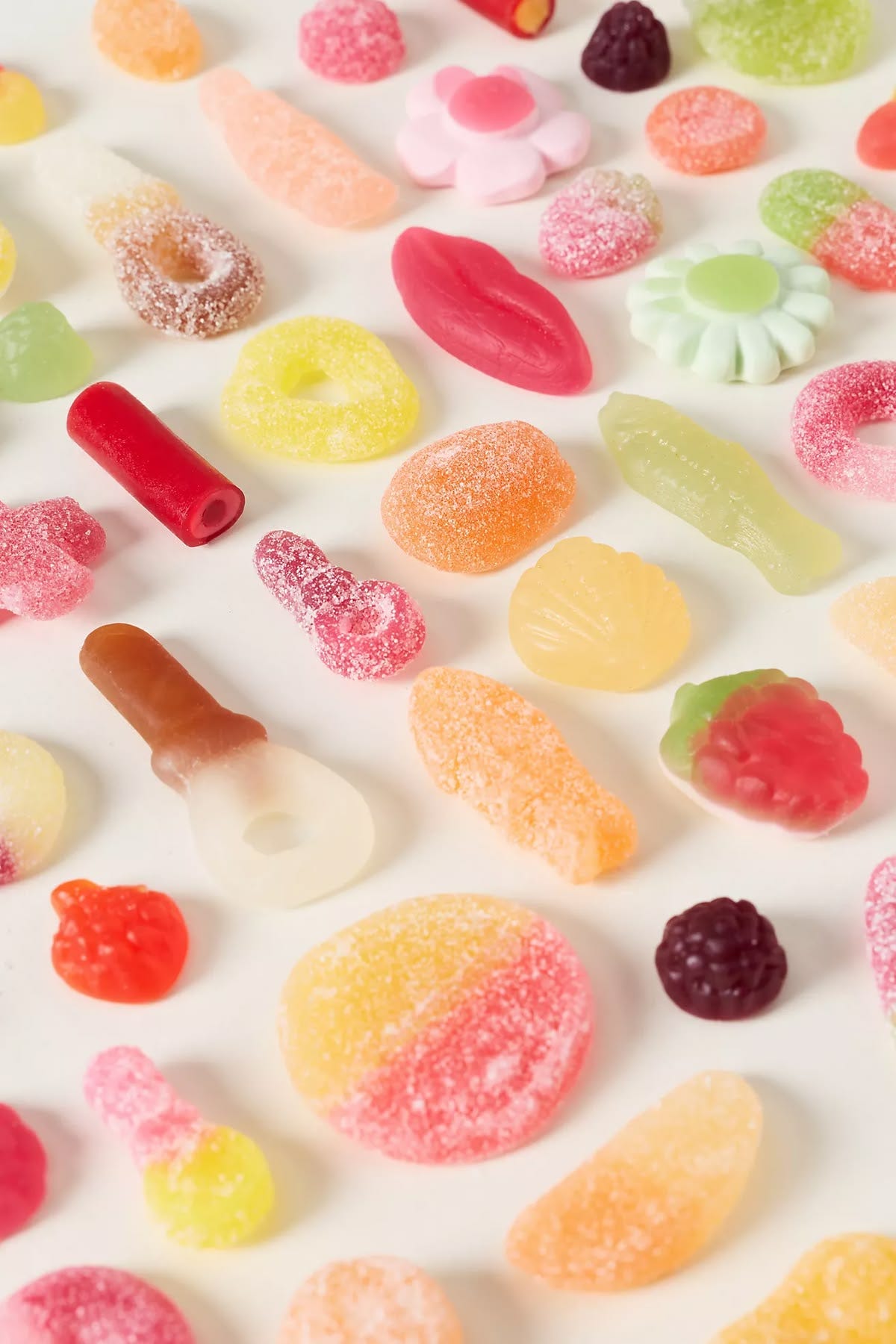
So why is European candy so much better? Part of it is the law. EU milk chocolate needs at least 25% total cocoa solids and 14% milk solids, while the FDA asks for 10% chocolate liquor and 12% milk solids. The EU has also required warning labels on synthetic dyes since 2010, nudging manufacturers toward beet juice, turmeric and safflower more than a decade before RFK Jr. called Red 40 a “poisonous compound.” Bubs, for its part, is vegan, gelatin-free and palm oil-free. Much of the European candy now flooding American shelves already passes the test U.S. brands are scrambling to meet by 2027. The rest is philosophy. Swedish candy is built around texture: foam, fizz, sour sugar, salty licorice. “European” isn’t a magic word, but we’re not comparing it to European candy. We’re comparing it to a Reese’s the inventor’s grandson called inedible, and in that matchup, a bag of Swedish sour skulls wins every time.
It would be easy to chalk these shops up to “little treat culture” and move on, but that misses what’s actually happening. People aren’t flocking to luxury candy stores because they can’t afford rent but can spare an occasional $30 for a bag of gummies. They’re going because they no longer trust the treats they grew up with.
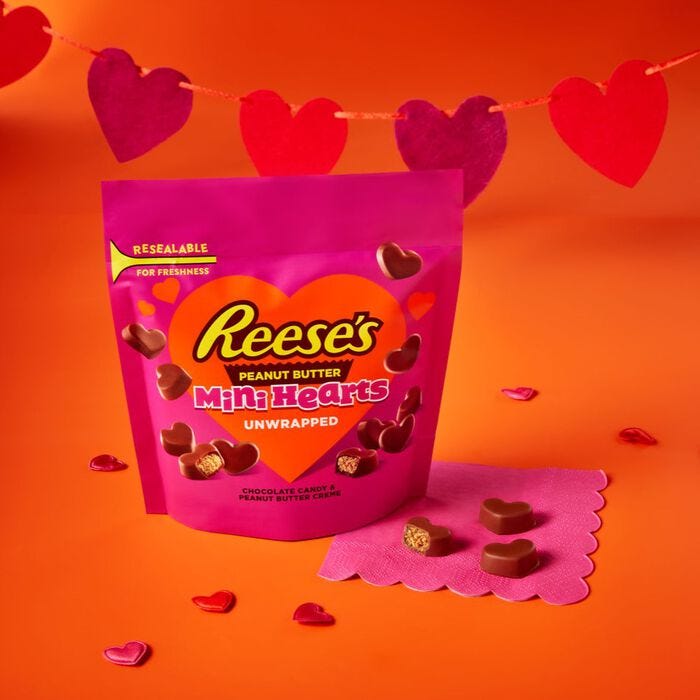
This past February, Brad Reese, grandson of the man who invented the Reese’s Peanut Butter Cup, wrote an open letter accusing Hershey of swapping milk chocolate for compound coatings and peanut butter for “peanut crème.” He told the Associated Press his Valentine’s Reese’s Mini Hearts were “not edible.” By April, Hershey announced it would return its classic brands to their earlier recipes, while insisting only “a small number of extension formats” ever changed. However, when the candy’s own family calls it inedible, a recipe reversal won’t fix the trust problem.
Cocoa prices more than doubled between January 2024 and January 2026 after brutal seasons in Ghana and Côte d’Ivoire, and sugar got pricier too. So big candy did what it does under pressure. It charged more and gave consumers less. A party-size bag of Peanut M&M’s that cost $8.98 at Walmart in 2020 now costs $14.84, and Brach’s biggest bag of candy corn shrank from 44 ounces to 34 while its price per ounce doubled. And when shrinking the bag wasn’t enough, they changed the ingredients. A Mr. Goodbar wrapper no longer says “milk chocolate.” It says “chocolate candy,” a copy loophole that lets a bar dip below the FDA’s 10% chocolate liquor minimum without technically lying.
Mass candy still held about 70% of the U.S. market in 2025, but premium candy is the fastest-growing segment, projected to grow 6.11% a year through 2031. SIAL singled out BonBon and Lil Sweet Treat for their “curated, design-led pick-and-mix experiences,” noting that growth in many mature markets now comes from “consumers in their twenties, thirties and beyond, who associate sweets with comfort, escapism and even self-expression.” It isn’t just happening in New York, either. The SF Standard counts a wave of Swedish-style shops in San Francisco, including Plock and its 140 bins.
I also find it fascinating that the store has become the brand. Its curation is the promise, and its interior design does the job a packaging system used to. No, a bag of imported gummies from a store in the West Village will never cost what a fun-size bag at CVS does, but the premium is about innovation, knowing what you’re eating, and knowing it tastes better.
American candy got where it is by being the most efficient candy in the world. It’s always been cheap, consistent, and sold at every checkout from Maine to Alaska. Sadly, that very efficiency is exactly what downgraded it.
Stay Fresh,
I noticed this “enshittification” happening with cookies too. It is sad - they forget is that chocolate and candies are treats for most people, not a staple. Most people will buy it because they want to taste that particular taste, have a specific experience. When a childhood treat now tastes like hydrogenated oil, then what's the point?