


I find the wellness-industrial complex endlessly fascinating. The same industry evangelizing how to make our lives healthier is also finding a way to monetize every last corner of them. Sleep (both getting us there and tracking it once we’re out), focus, calm, energy, the list goes on.
On one hand, there’s the sweet, almost innocent side of wellness: chamomile before bed, lemon in hot water, a solid eight hours of sleep. On the other hand, though, there’s a potion, pill, or powder for anything that functions in or around the body.
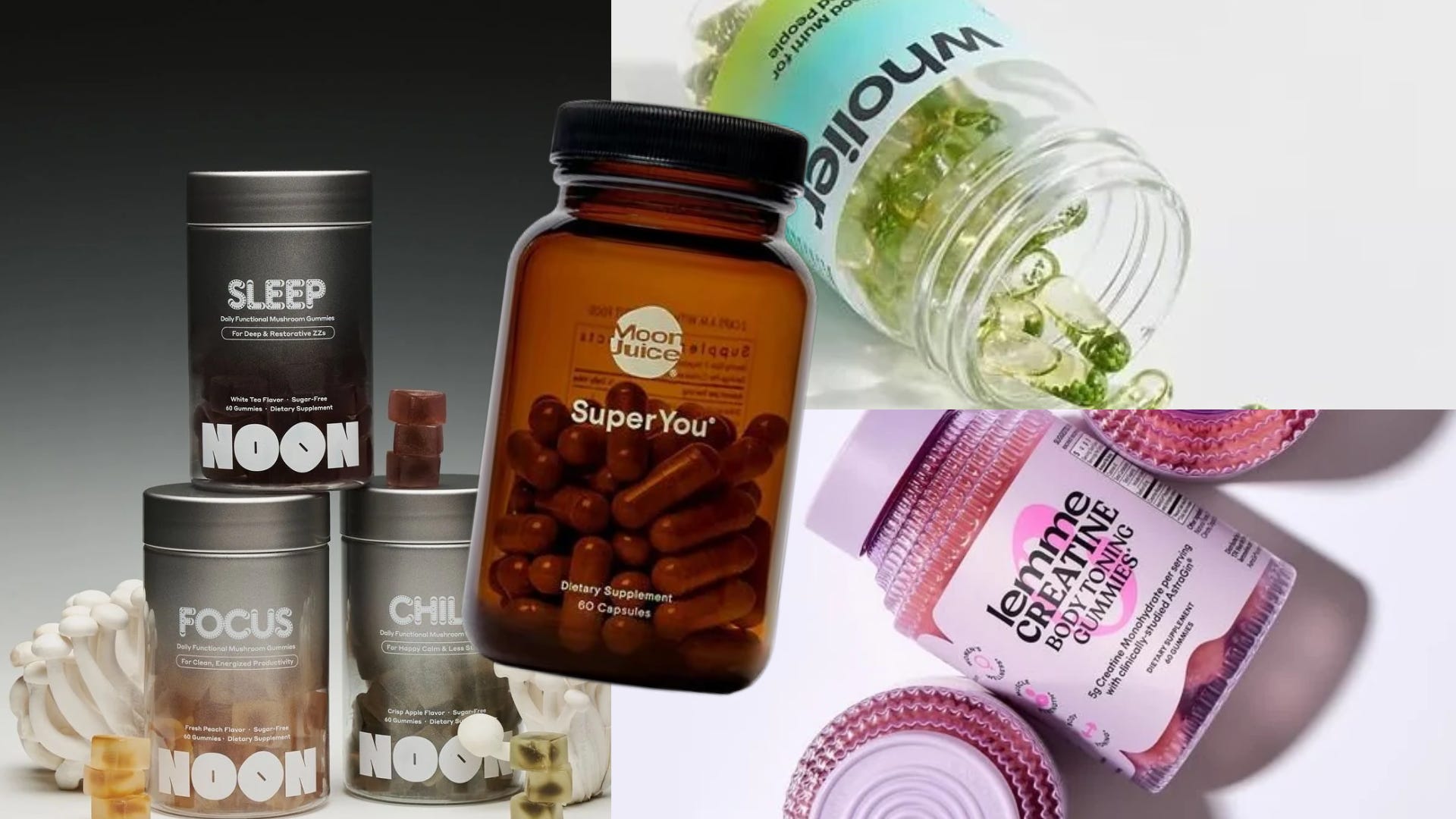
I’ll be honest about where I stand. A while back, I started taking a wellness product (that shall remain unnamed) that promised to help me focus. My husband, who’s a doctor, told me it wouldn’t do anything and that I shouldn’t bother, but nothing about it seemed that intense to me. If it worked, great. If not, there was always the placebo effect. A few weeks into taking it, however, I lost my period, and it absolutely freaked me out. I took those products thinking I’d doom scroll less during the workday, but they were strong enough to change something as significant as my cycle. If something marketed for focus can do that, I wanted to know how these types of products were regulated in the first place, because I couldn’t be the only one.
So I started asking around. I spoke with a source at the FDA, who asked not to be named; Carolina M. Wirth, an FDA Regulatory and Compliance Attorney at Hall, Render, Killian, Heath & Lyman, P.C.; and Jane Kate Wong, founder of the functional wellness brand NOON.
The answer to who’s regulating these types of things turned out to be a lot more complicated than I expected.
To understand supplements, it helps to start with drugs. “FDA ensures that new drugs work correctly and that their health benefits outweigh their known risks,” my FDA source explained. That means lab and animal testing, human clinical trials, and a full review of the data and the label by a team of physicians, statisticians, chemists, and pharmacologists. “Generally, the agency expects that the drug maker will submit results from two well-designed clinical trials, to be sure that the findings from the first trial are not the result of chance or bias.” The scrutiny continues after approval, too, with ongoing adverse event reporting, label updates, and facility inspections. For drugs, the process is lengthy and comprehensive.
Supplements, however, play by a completely different set of rules. “The difference comes from a policy choice Congress made in 1994 in the Dietary Supplement Health and Education Act. That law treats supplements as a category of food,” Wirth told me. “A supplement company does not need FDA approval to launch. It is responsible for making sure its product is safe, and its claims are truthful and substantiated, but FDA does not review that evidence in advance.”
In other words, a drug has to prove itself before it reaches the consumer, but a supplement generally gets a closer look only after it’s already in your cabinet and people are reporting issues with it.
That said, it’s insane for supplements to be categorized as food. Food. As in salt-and-vinegar chips, canned tuna, and bananas. When I take a capsule that promises to sharpen my focus or calm my nervous system, I don’t think of it as a snack, or as something a regulatory body should treat as one. These products are formulated to change how our bodies and brains function; they come in dosed servings, and they’re often sold in the same aisles as Advil. Yet legally, they have more in common with my breakfast than my prescriptions.
A drug must prove itself safe before it ever reaches the consumer, and for good reason. But it bothers me that a supplement typically gets a closer look only after people start reporting problems. Consumers might not necessarily know that, and I’m not sure the industry is in any rush to tell us. Consumers are being made to do homework they don’t even know they’ve been assigned, and the packaging makes it look like we shouldn’t have to ask any questions.
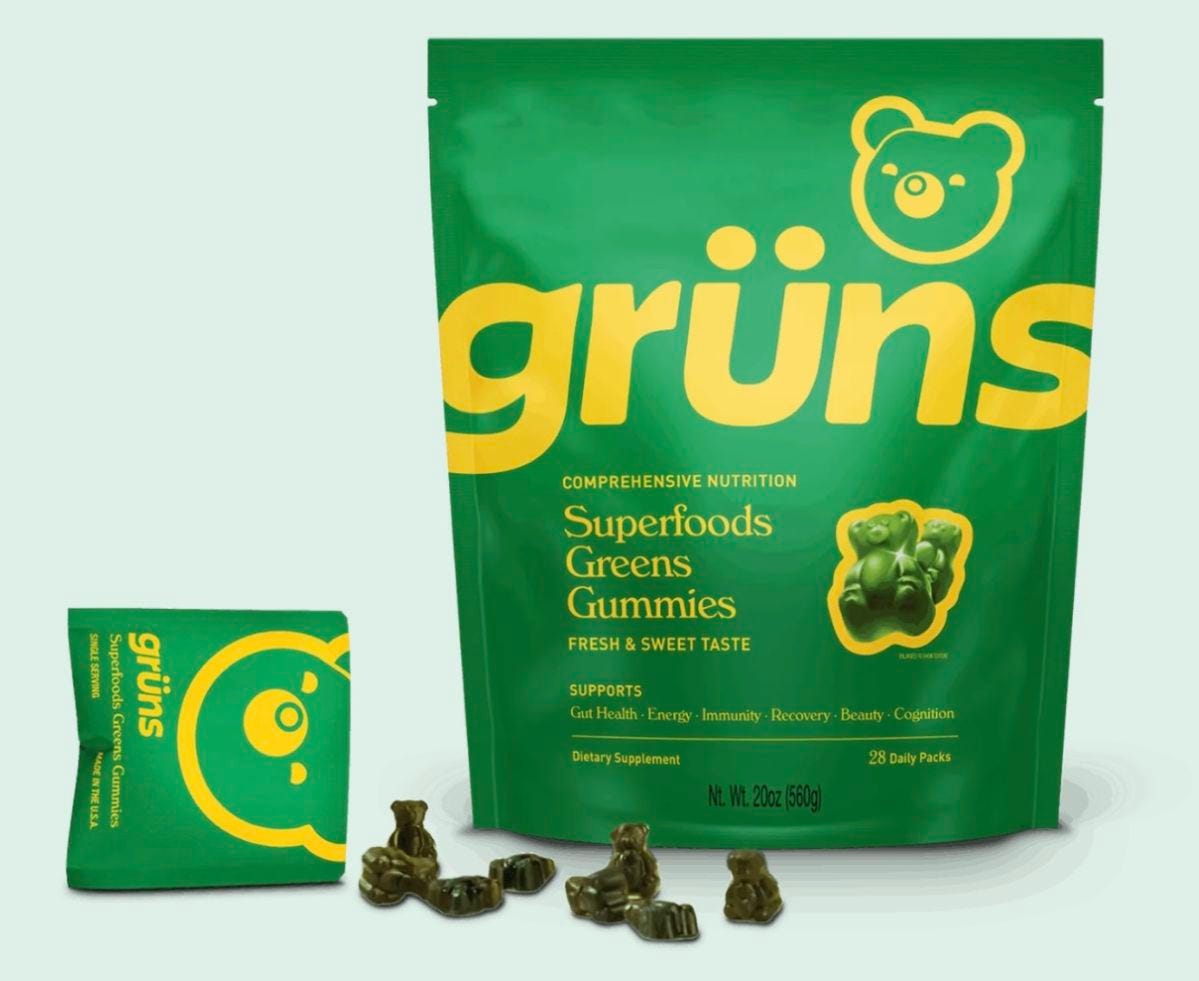
My first thought was that Europe must do this better, because they seemingly regulate more (and, between us, do everything clearly smarter), and it kind of does. The surprise is that the EU also legally classifies supplements as food, defining them as “foodstuffs the purpose of which is to supplement the normal diet.”So there’s still no drug-style approval before launch, but the difference is in the guardrails. In many EU countries, brands must notify regulators before a product hits shelves, which means governments know what’s being sold, which is the exact gap Wirth flagged in the US. Brands can only use health claims that have been preapproved and listed in an official EU register, so they can’t invent their own wellness promises, and any ingredient that wasn’t commonly eaten in Europe before 1997 counts as a “novel food” and needs authorization before it can be sold, which catches a lot of the “trendy” compounds driving the optimization boom.
So Europe doesn’t treat supplements like medicine, necessarily, but it doesn’t let brands write their own rules about what they can say and put in the bottle.
Wong learned about the U.S. terms firsthand as a first-time founder. “What’s surprising is that there are VERY loose regulations. Nothing on-shelf needs to be FDA regulated or potency tested,” she said. “It really puts an onus on the consumer to do the research if they want some reassurance that what they are taking is truly good for them.” Wong continued, “Each NOON batch is 3rd party tested, and we also ensure our manufacturer is up to date on their GMP (Good Manufacturing Practices), FDA, and ISO certifications,” Wong said. The problem is that it’s voluntary, and as a shopper, I have almost no way of knowing who’s doing it and who isn’t.
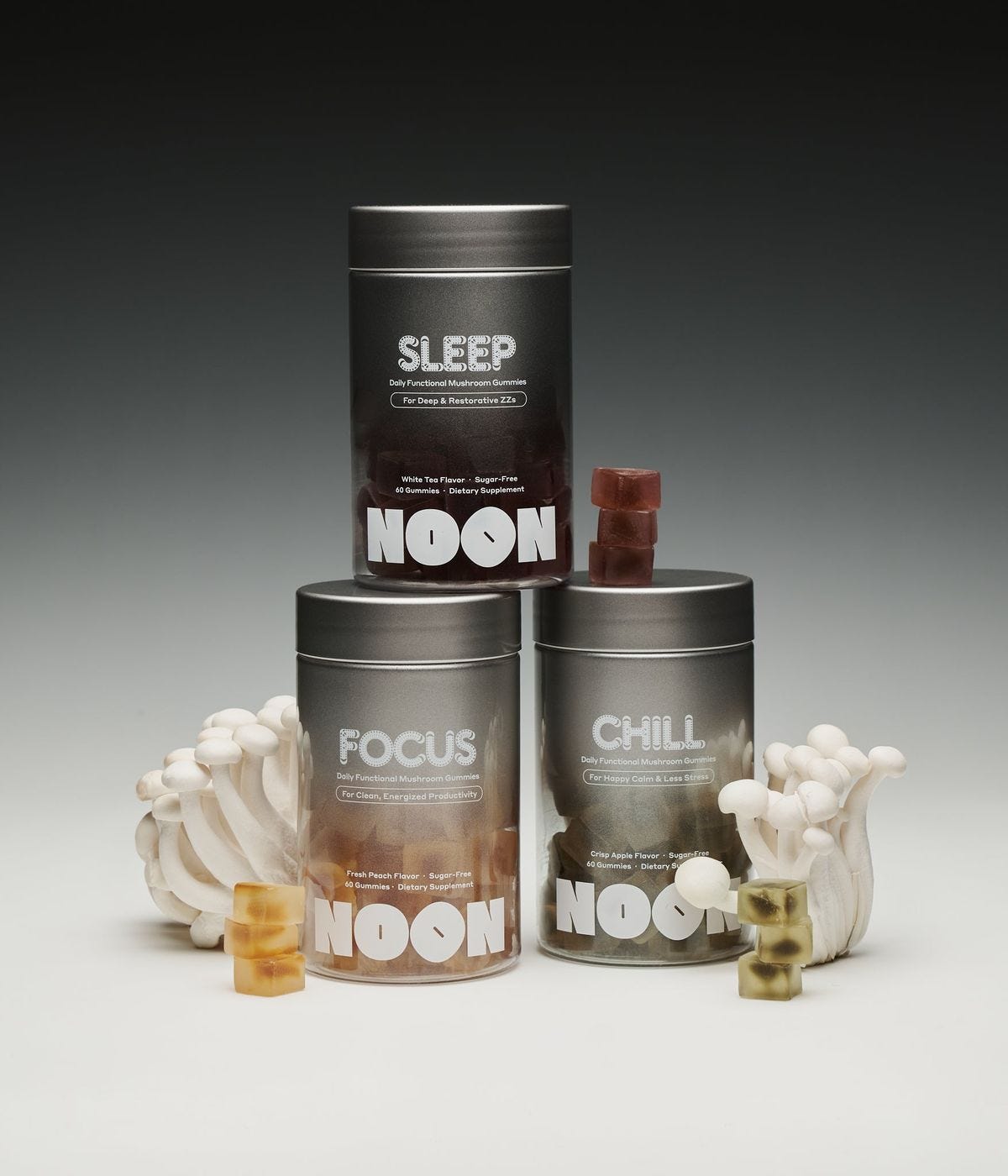
Wong was also candid about the gap between what brands say and what shoppers understand. On the phrase “clinically tested,” she told me, “What this means to us is that we’re working with ingredients with known clinical studies behind them, with proven and tested results for their effects. In a consumer’s mind, this might mean that we as the brand have done a clinical trial on our formulas, and unfortunately they might not know the nuance.”
Wirth was clear that design choices matter more than brands might think. “Dosing cards, blister packs, clinical typography, and pharmacy aesthetics are not violative on their own. Taken together, though, they can reinforce a drug impression that the words alone might not create.”
The line between a supplement and an unapproved drug comes down to intended use, and the FDA looks at everything a brand says and shows. “In my practice, I see the pull toward that line most in weight management, where many products are positioned as natural alternatives to GLP 1 drugs,” Wirth said. Her advice to clients is blunt: “On a supplement package, I advise clients to avoid disease names; words such as ‘cure,’ ‘treat,’ ‘prevent,’ ‘heals,’ and ‘reverses’; comparisons to named drugs; and terms that suggest the strength of a medicine, such as ‘clinical strength’ or ‘prescription grade.’”
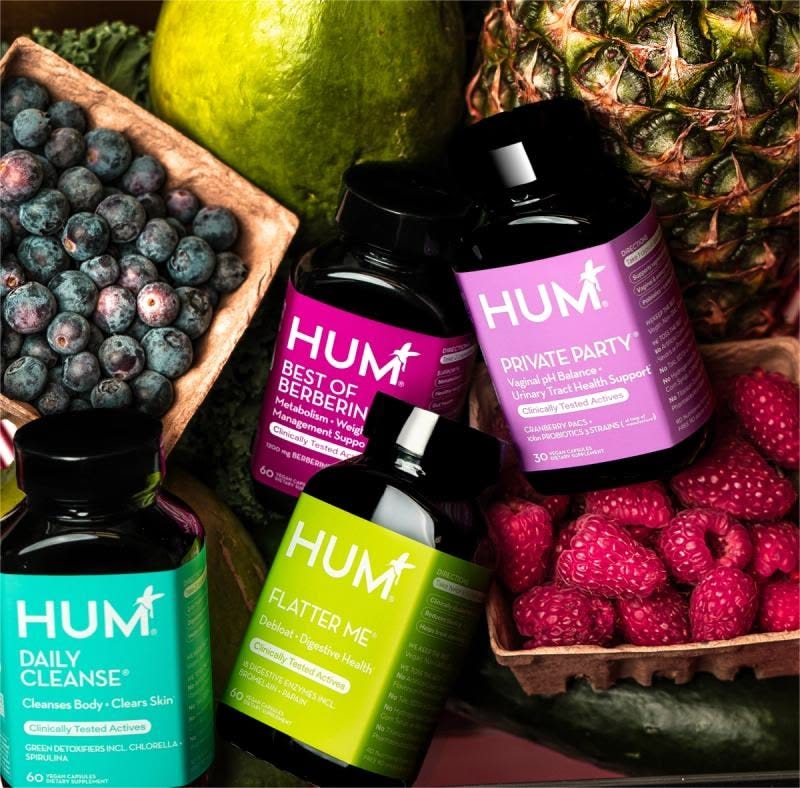
If something goes wrong after you take a supplement, the system mostly relies on someone noticing. Manufacturers are required to report serious adverse events, and consumers can report reactions directly. But Wirth was honest about the limits of that process. “Adverse events are widely believed to be underreported. Many consumers do not connect a symptom to a supplement or do not tell their doctor they take one.”
And that was exactly what happened to me with that “focus” supplement. My first instinct wasn’t to blame the supplement. It had to be stress, travel, or something else I had consumed recently, and it took me a while to connect the dots, so I never reported it. I’d bet a lot of people are in the same boat.
“The FDA also does not have a complete list of the supplements on the market, which makes oversight harder,” Wirth added.
Change is coming, slowly. Wirth pointed to Dietary Supplement Listing Act proposals introduced in Congress this year that would require every supplement to be listed with the FDA, which she sees as the more realistic next step. “Premarket approval would be a much larger change. It would require significant new FDA funding and enough political will to overcome strong industry opposition, which has not happened in more than 30 years.”
When asked whether supplements should be more regulated, Wong shares, “While I want to say yes, it would mean that brands like mine might not have existed if there was more red tape and higher costs to launch,” Wong said.
When products are formulated to change how our bodies and brains work, and packaged to look either trendy or like they should be behind a pharmacy counter, the stakes are much higher for consumers.
Until regulations change (if they ever do), the burden falls on us as consumers, and in my opinion it shouldn’t. Nobody should have to lose their period to find out a focus supplement was more powerful than it seemed. For me, the scariest part wasn’t even the side effect; it was realizing I’d trusted a nicely designed package more than my own husband, an actual doctor.
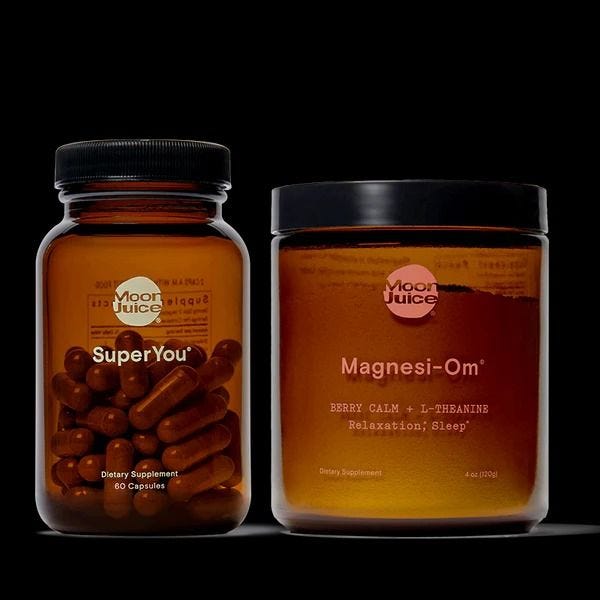
When you break it down, I think the wellness industrial complex has three tiers when it comes to packaging. First, there’s the tier that includes what Alex Jones and Joe Rogan-type people with a podcast mic push between conspiracy rants. These types of products often have loud labels and huge, big promises. Most people I know would eye those with at least some sort of healthy suspicion. Then there’s also the clinical tier, with stark white bottles and sans serif type that look like they came out of a pharmacy. And there’s also the tier that focuses on trendier, design-led packaging.
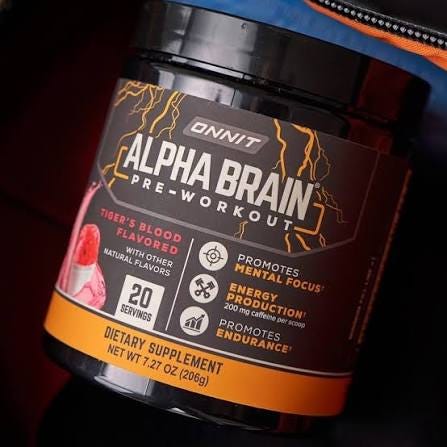
In my opinion, those last two are where things get a little more complicated. The ingredients inside might not be all that different from what’s in the maximalist bottle, but good branding lends them a shred of credibility they haven’t necessarily earned. A smart shopper would probably pass on something hawked by Joe Rogan, but that exact same shopper might not think twice about a beautifully designed supplement from a brand even (and especially) if the products on the inside are exactly the same. It’s the power of packaging, and in this category, it can do real damage when the credibility it creates isn’t backed by anything of substance.
If a product is powerful enough to change something as fundamental as my cycle, it’s powerful enough to warrant a check before it ever reaches a shelf. Until things change, the next time something promises to fix my focus, I think I’ll just put my phone face down while I work.
Stay Fresh,