


I recently saw a video saying that if a teenager from the 1930s saw us eating Samyang Spicy Chicken Carbonara Ramen or neon-blue Takis, their heads would explode. I mean, let’s be honest, these foods make my head explode. Red dye 40 might be slowly phasing out, but that doesn’t negate the fact that we’re eating five thousand other processed foods in its place.
In the last year or so, I’ve become the person who annoys everyone else in the grocery store aisle because when I’m shopping, I pick up something on my list, flip it over, and try to understand the ingredient list while someone waits behind me with their cart. Reading the back of the box used to be something my mom did that annoyed me, but I’ve fully converted to the process, and judging by the data, something almost everyone is starting to do more and more.
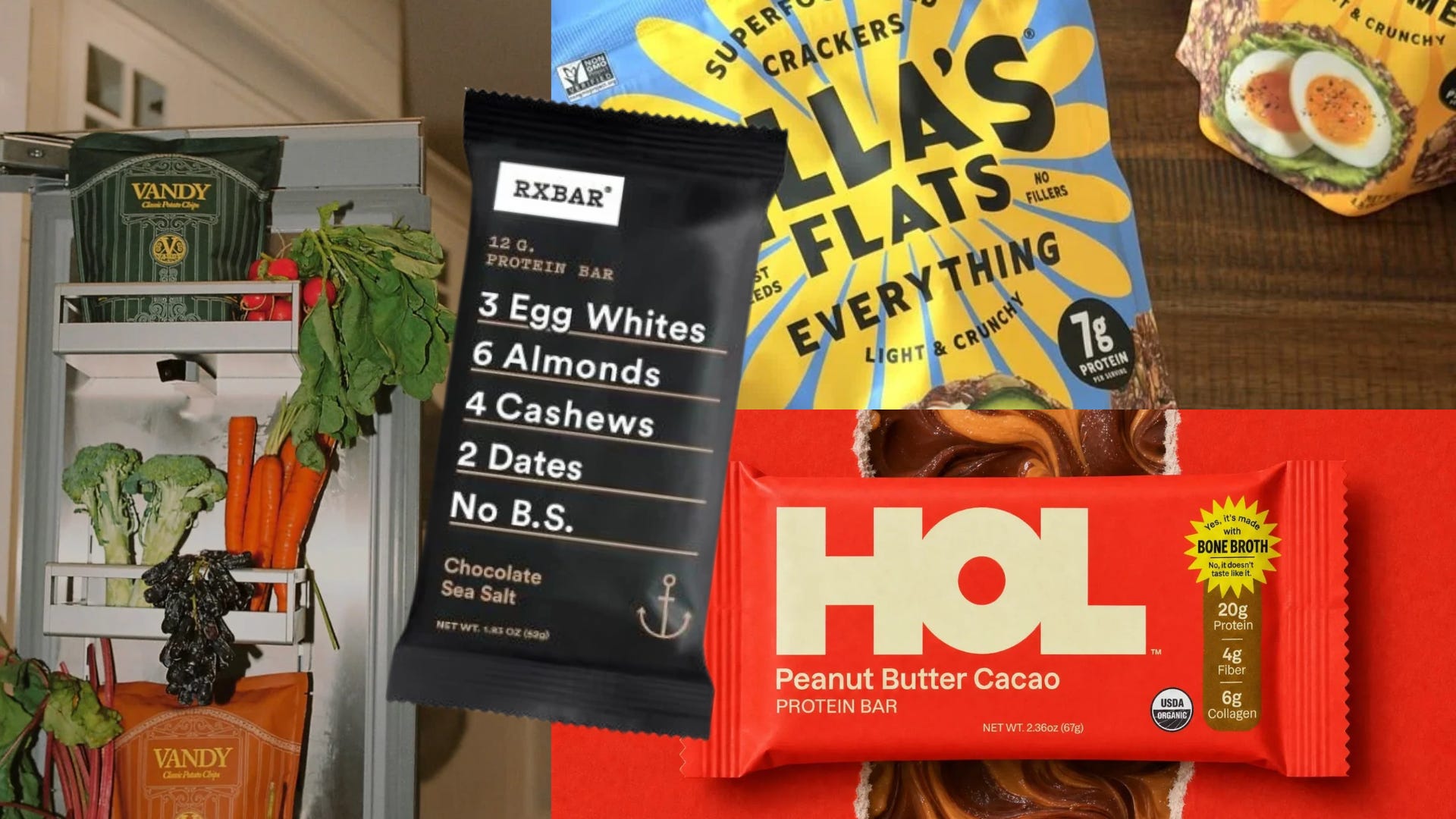
I wasn’t surprised, however, when Whole Foods Market’s 2027 trend predictions landed earlier this month with one movement it calls Ingredient Minimalism. Whole Foods credits viral “read your labels” content and growing scrutiny of additives and ultra-processed foods for turning a short ingredient list into a marker of quality. Cathy Strange, Whole Foods’ ambassador of food culture, described this year’s list as reflecting “a meaningful return to simpler, whole-food ingredients.”
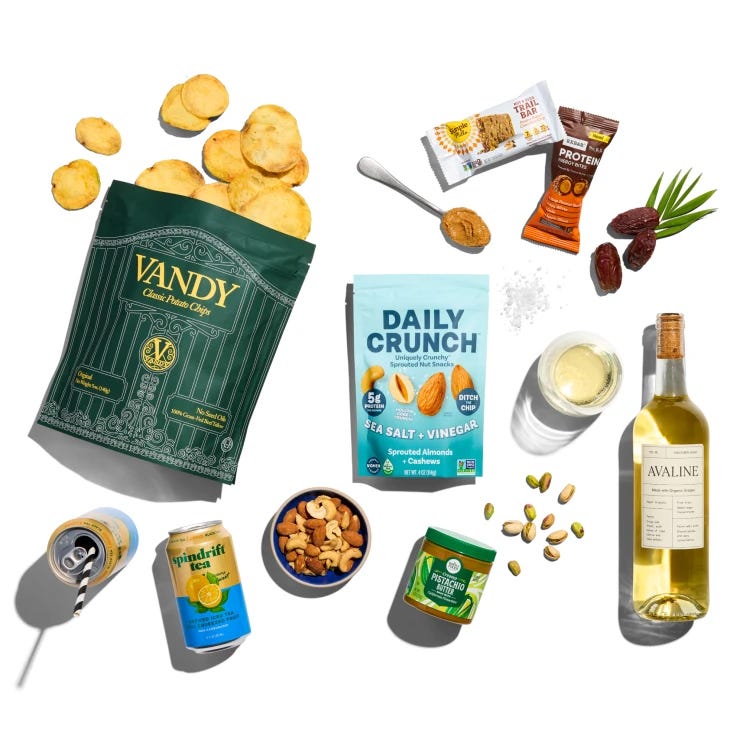
In FoodMinds’ 2026 Conscious Consumption Index, 54% of grocery shoppers said they bought more of something in the past year because it seemed less processed or had fewer additives, and 46% cut back on something for the opposite reason. Meanwhile, a L.E.K. Consulting survey of 2,000 Americans found that 71% say familiar, easy-to-recognize ingredients matter more now than three years ago, and those shoppers will pay about 7% more for them.
Removing things from a product, which should in theory cost less, is now something people will pay a premium for. We are, quite literally, paying for absence. But when you think about why those extra ingredients were there in the first place, it does start to make a little more sense. Most of them exist to make food cheaper or last longer. Ingredients like gums hold things together, seed oils that cost a fraction of better-for-you oils, and preservatives extend shelf lives. When brands remove these ingredients, they have to make up the difference. That usually means smaller batches, shorter shelf lives, and higher costs, which get passed on to the consumer. So what we’re really paying for isn’t nothing.
But why is this a “trend” right now? The idea of “clean label” has been floating around for a while, but what’s the appeal of visibly stating on the pack how few ingredients a product has?
Several things have happened in the last year that help me understand why the shift is happening. In January, the 2025–2030 Dietary Guidelines arrived with a three-word thesis: eat real food, and for the first time told Americans to limit highly processed foods and artificial additives.
Campbell’s, PepsiCo, Conagra, Kraft Heinz, and J.M. Smucker now flag ultra-processed food scrutiny as a business riskin their SEC filings, and three disclose litigation. Add the roughly 18% of American adults now taking a GLP-1, and you have a huge group of shoppers eating less and reading more. FoodMinds found that 63% of current GLP-1 users look up ingredients and additives at least weekly, compared with 41%of people in households with no GLP-1 use. Because if you’re only going to eat half a sandwich, you probably do get pickier about what’s in it.
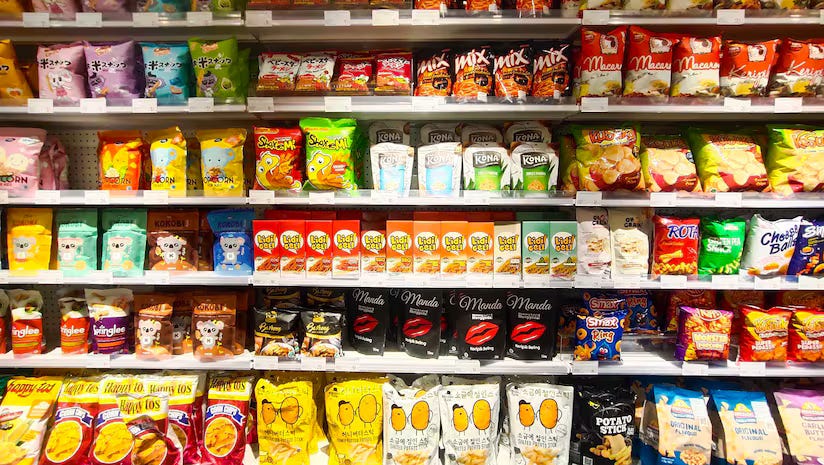
But the part I find most curious is what this does to the package itself. For decades, the front panel did the selling in an appetizing, appealing way, and the back panel handled things more factually, including the ingredients. The ingredient list was never really art-directed, because nobody, except an almond mom here or there or someone with allergies, cared that deeply about them. But that’s why people trust it now. When so much packaging looks like it came out of the same Canva template, the list is the one element a brand can’t style its way around. So brands are moving it to the front, and the list has become the selling point.
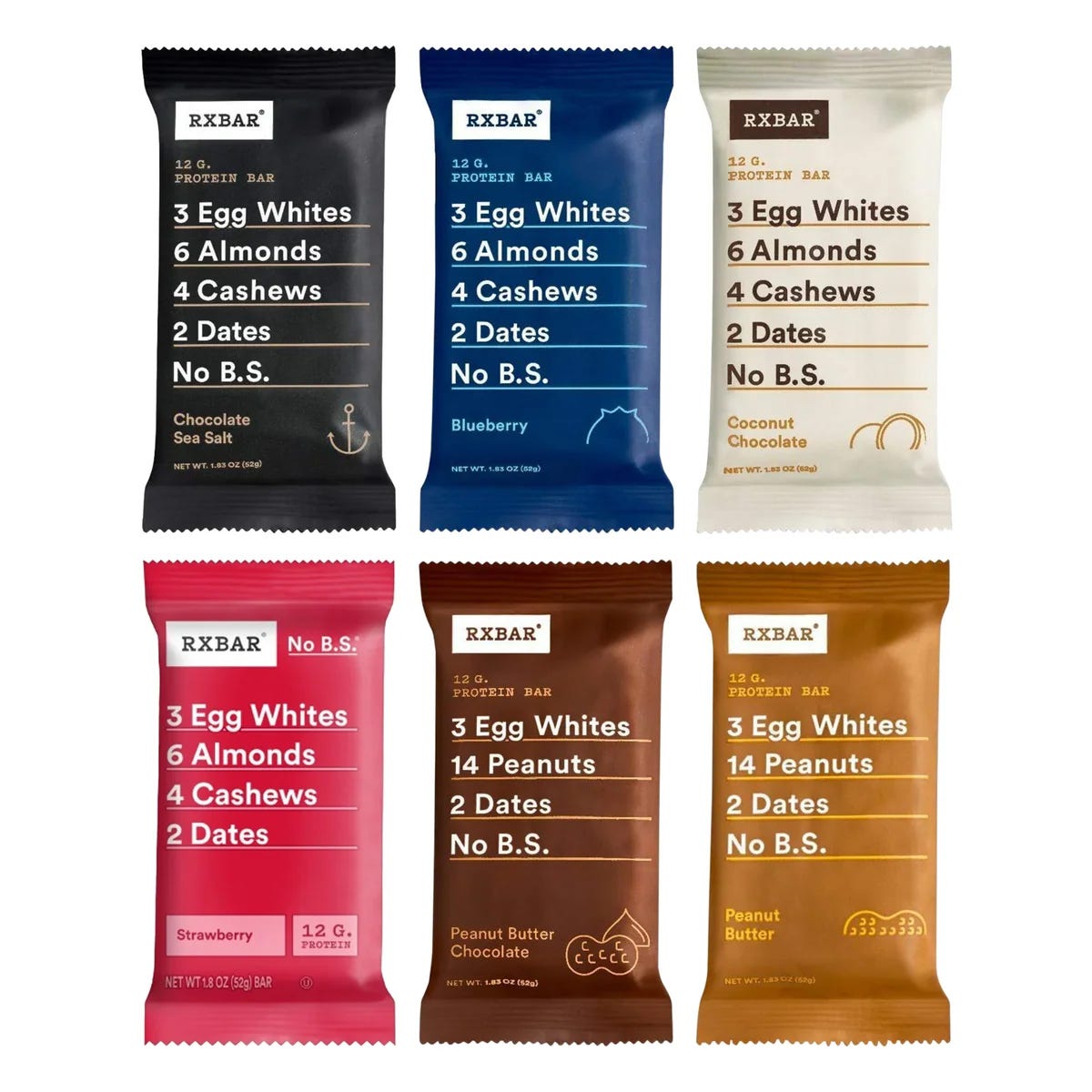
If this all sounds familiar, it’s because RXBAR started the whole concept in 2013. Founders Peter Rahal (now behind all things David) and Jared Smith started making bars in Rahal’s parents’ kitchen in Glen Ellyn, Illinois. According to former CMO Lindsay Levin, the team kept flipping packs over to show how few ingredients they used, so the rebrand moved that list right to the front, right above a “No B.S.” It worked so well that Kellogg bought the brand in 2017 for $600 million. What’s different now is that RXBAR’s idea has gone from a niche protein bar move to something every category is finding value in.
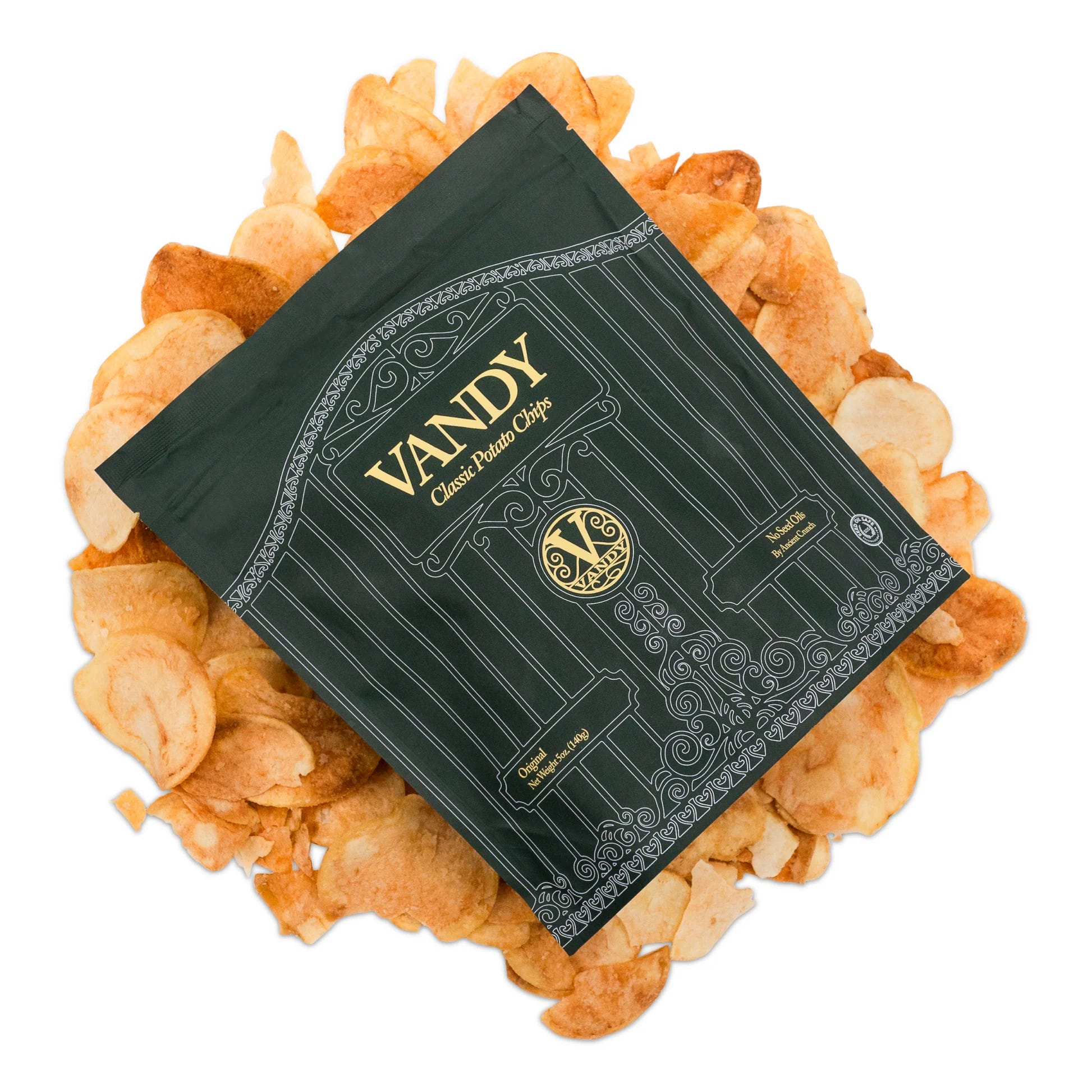
A perfect example is Vandy’s kettle-style chips, by co-founders Seth Goldstein and Steven Rofrano, made from three ingredients: potatoes, grass-fed beef tallow, and Redmond Real Sea Salt, cooked in small batches. In June, Ancient Crunch brought Vandy and its tortilla chip sibling MASA into 400 Whole Foods stores, and the founders framed the launch around a mission to “bring real food to everyone.” The pitch, though, isn’t about these being “healthy.” It’s chips made with fewer ingredients.
HOL Health Club takes the same idea into the protein bar aisle, a category famous for ingredients, lots of them, and I don’t even know how to pronounce most. Founders Mackenzie Muth and Nolan Spencer left investment banking in New York after struggling to find a high-protein bar made from whole foods. Muth drank bone broth as part of her morning routine, so the pair swapped protein powder for powdered chicken bone broth, and the result is a 20-gram protein bar whose Salted Chocolate flavor lists just nine ingredients, including peanuts, dates, oats, honey, and cacao nibs. Nine ingredients might sound like a lot, but a quick look at some of the best sellers (including Quest, ONE, and Barebells), and I quickly realized that nine was low compared to around 30 on the higher end.
And you know a trend will fully take off when the giant brands start copying the new ones. In March, Jack Link’s announced a full three-ingredient portfolio, starting with air-dried beef slices made from grass-fed beef, vinegar, and salt, with sticks and steaks following later this year. The same company commissioned a Talker Research survey in June that found six in 10 Americans think snacks have too many ingredients.
I do have one hesitation concerning the “trend” of it all. A short ingredient list doesn’t automatically mean healthier food, and the cost factor matters, too. FoodMinds found that 58% of shoppers agree the cheapest foods tend to be the most processed, and 61% say healthy, sustainable food is just too expensive. If simpler products cost 7% more, ingredient minimalism could become a luxury, which is odd when there’s less. A bag of tallow-fried chips and a bag of regular chips now say very different things about who’s buying them, and who’s able to.
For decades, packaging has been a game of addition, with the more claims the better. However, according to the Whole Foods report, the 2027 shelf will be a game of subtraction, and the winning move is having nothing to hide.
But for now, sorry to the person behind me in the snack aisle. I’m going to be a while.
I find it interesting that we're now paying a premium for products that have less in them. There's almost a status element to ingredient minimalism: knowing what you're eating, recognising every ingredient and being able to afford the simpler alternative. It makes me wonder whether we're moving towards a point where "clean label" becomes less about transparency and more about signalling a certain lifestyle, especially when affordability is already such a big part of the conversation
I don't like that I became that person, but every time I see this I think that many fruits and veggies come in snack size and, gasp, contain only ONE ingredient. However, looks like people would pay anything to avoid the effort of eating real food.