


Brands that launch products outside their usual grocery store aisle have always fascinated me.
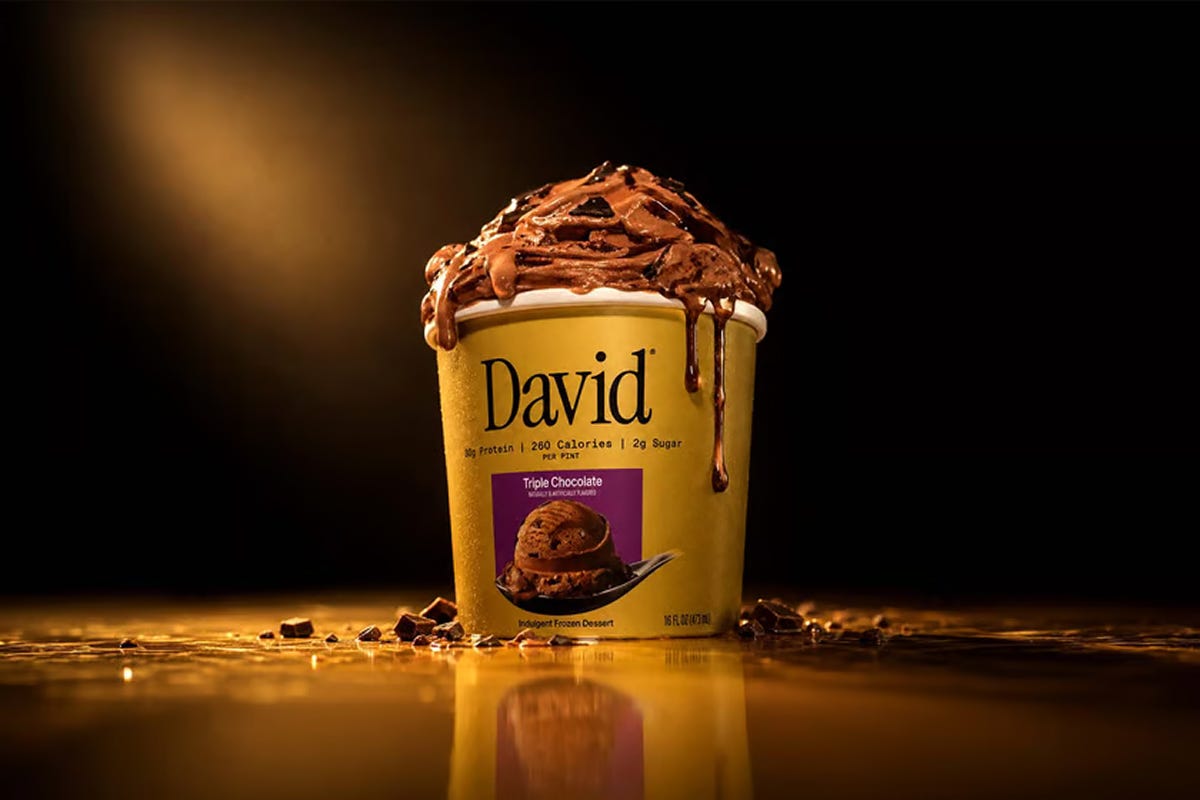
We have Graza, an olive oil brand, launching chips. David, the protein bar brand, is pushing an ice cream and cod. There’s also Beyond Meat releasing a protein drink, all in the span of six months. Some of these expansions feel right, while others, like David, feel like a desperate attempt to stay relevant.
Which is not to say that David won’t be successful, but the company’s branding has certainly helped push its protein-packed mission.
On the surface, the motivation feels twofold. A brand is either grasping at straws as its core business slips, or it’s deliberately engineering new ways to show up everywhere possible. The VC instinct to stretch a brand as far as it will go is definitely there, but I don’t think what’s happening now is just a money story.
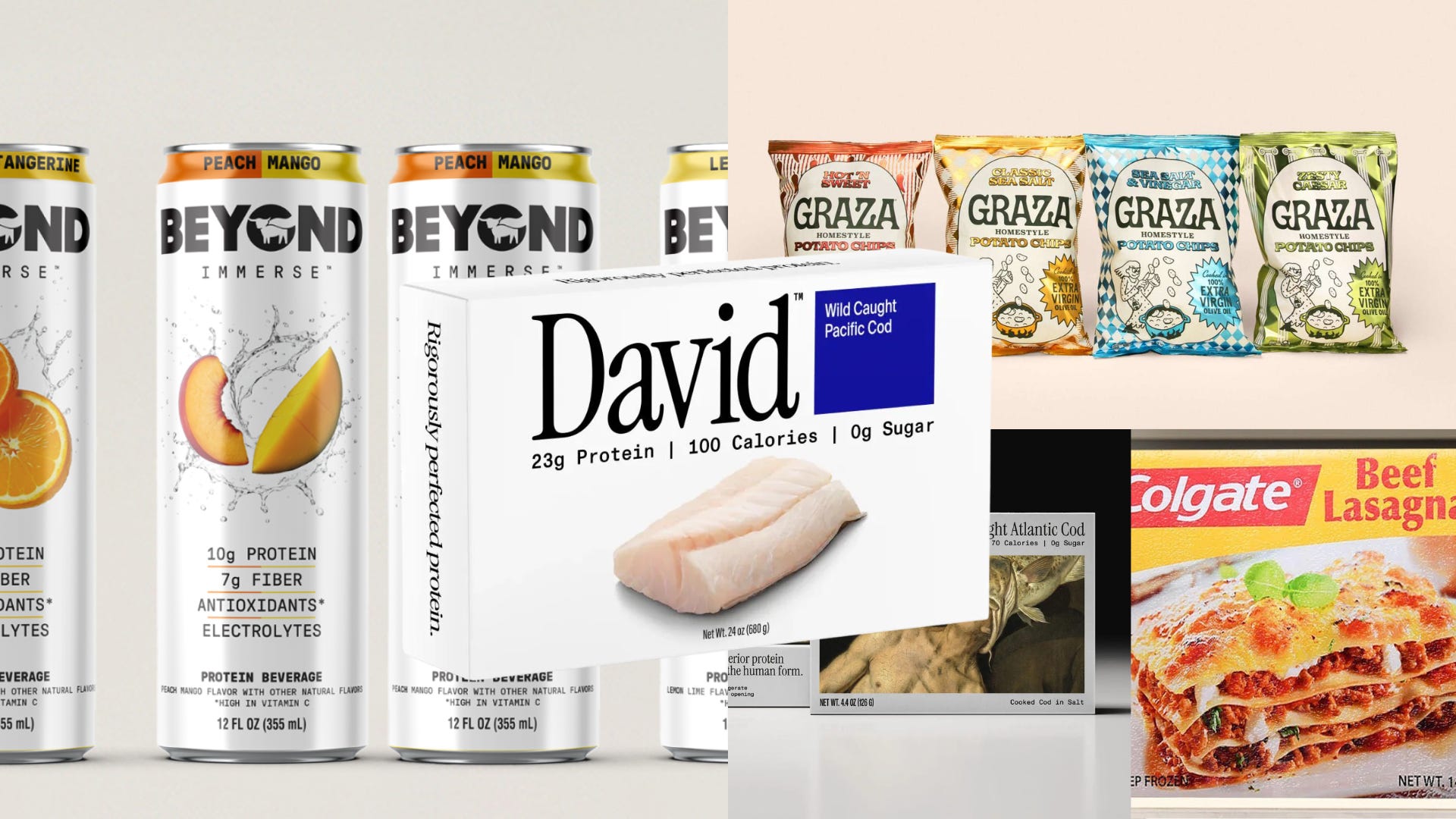
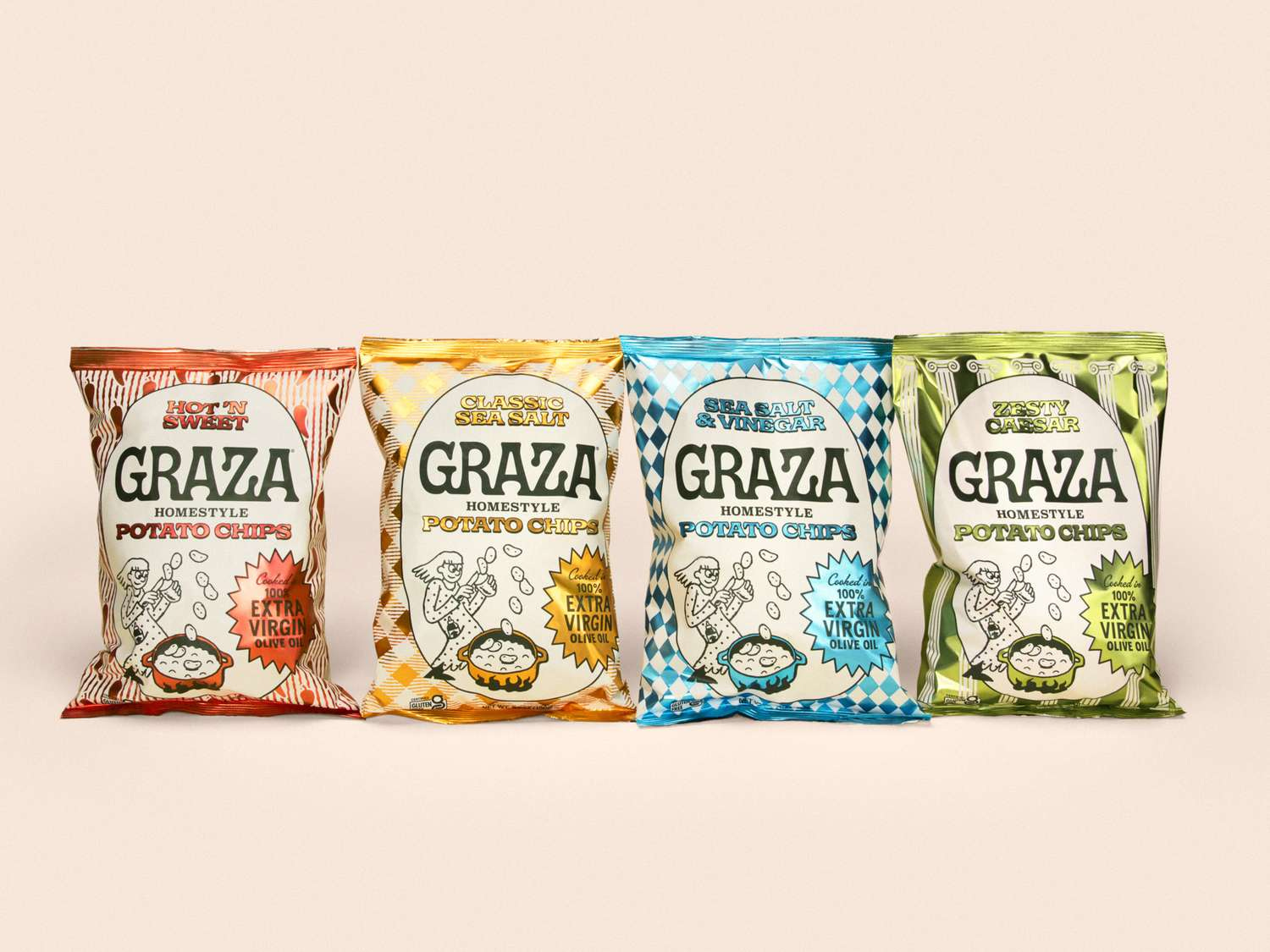
In February 2024, Graza launched a limited-edition bag of extra virgin olive oil potato chips made from Galician potatoes, fried in the brand’s own EVOO. The drop sold out multiple times, with customers calling them “the world’s best potato chips.” I have yet to try.
By May of this year, Graza had turned that moment into four permanent chip flavors, including Classic Sea Salt, Sea Salt & Vinegar, Zesty Caesar, and Hot ‘n Sweet, launching exclusively at Target, with wider retail to follow. The brand has also added mayo and wine, collaborated with Ithaca Hummus, and become the fifth-largest national olive oil brand in the country. It doesn’t feel like a brand tossing spaghetti at the wall to see what sticks, but I am curious about the range of extensions. The chips might be popular, but why wasn’t the mayo launch as well-received? And why wine?
I feel similarly about David’s protein ice cream. If your entire brand is built around reframing indulgence, it does make sense. But if people are complaining about the general taste of the bars (negatively), then why not fix that before launching the marketing stunt of boiled cod and ice cream?
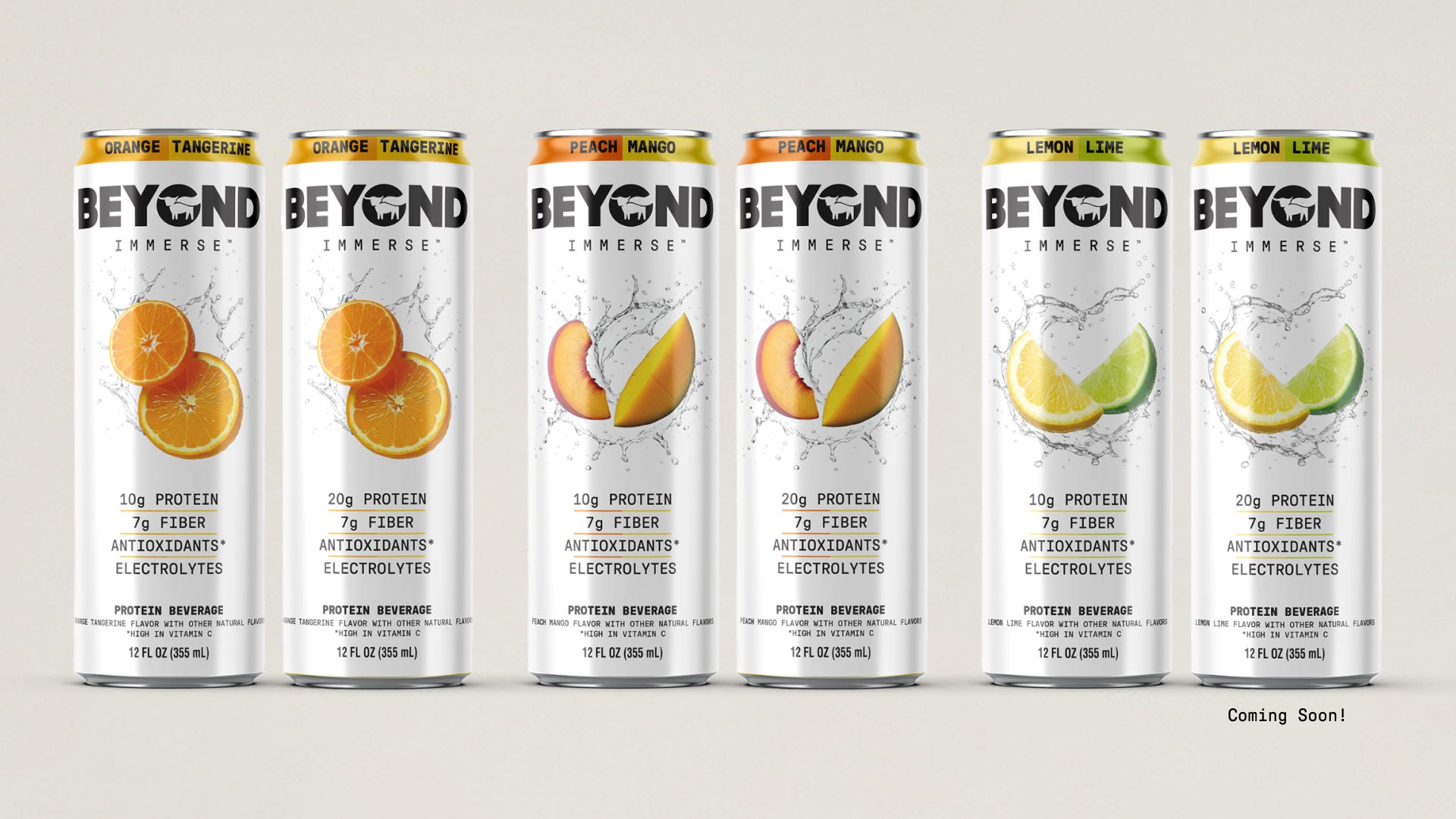
Beyond Meat’s protein drink is a different story entirely. The brand spent years trying to convince people that plant-based meat could be just as satisfying as the real thing, and a protein beverage was launched for what? Relevance? That can’t be working. And look, I get that Beyond is now positioning itself as a “plant protein company,” but I just can’t seem to wrap my mind around going from chicken, meatballs, and ground beef to a protein drink. According to Food Navigator, in Q1 of this year, the brand’s revenue was $58.2 million, a year-over-year decline of 15.3%, with product volume down 19.5%. If those numbers reveal anything, it’s that a protein beverage was launched as a Hail Mary.
I spoke with Keith Bordelon, who spent a decade at Costco before moving to Whole Foods, where he ran plant-based, dairy, and fermented categories. He was the person deciding which brands earned shelf space and which didn’t, and he’s seen enough expansion pitches to know the difference between a brand with a story and a brand with ulterior motives.
“If you’re going to go into a different category, there needs to be a story behind it and a purpose,” he says. “Americans are consumers of stories. They want [a story] sold to them.”
And then there’s the funding picture in emerging CPG, which makes this harder than it looks. Early-stage founders are navigating what Food Navigator called a “constrained funding environment.” Investors now want proven retail traction and clean unit economics, not just a portfolio full of bets. A brand that spans multiple categories can generate incremental revenue and become genuinely unavoidable. A shopper who buys Graza olive oil, grabs the chips, and spots the mayo in the condiment aisle has had three brand interactions in a single trip.
But every new SKU also adds to the cognitive load that grocery shopping already demands, and that load is already breaking people. Myself included. What do you mean I have to choose between small, medium, and large curd cottage cheese, not to mention fat percentage and flavors?
According to the Consumer Pulse Survey 2024, 73% of consumers feel overwhelmed by too many choices. 74% have walked away from a purchase because of it. More options, counterintuitively, produce less buying. This creates a risk for expanding brands, a point Bordelon is blunt about. “Who are you exactly trying to pitch to with your fourth flavor? At what point are you just creating to create?”
He points to Nielsen data showing that in most categories, the original product is the number-one seller by a significant margin, followed closely by one or two adjacent flavors. Everything after that is fighting for diminishing returns.
His benchmark for a successful category expansion is brand coherence. Does the new product make sense within the brand’s existing story? He points to Blue Stripes, a brand that takes discarded cacao, waste material normally unused in chocolate production, and transforms it into trail mixes, chocolates, and pantry staples. The expansion was unusual enough to require five Whole Foods category managers in a single meeting, but it worked because every product traced back to the same founding logic.
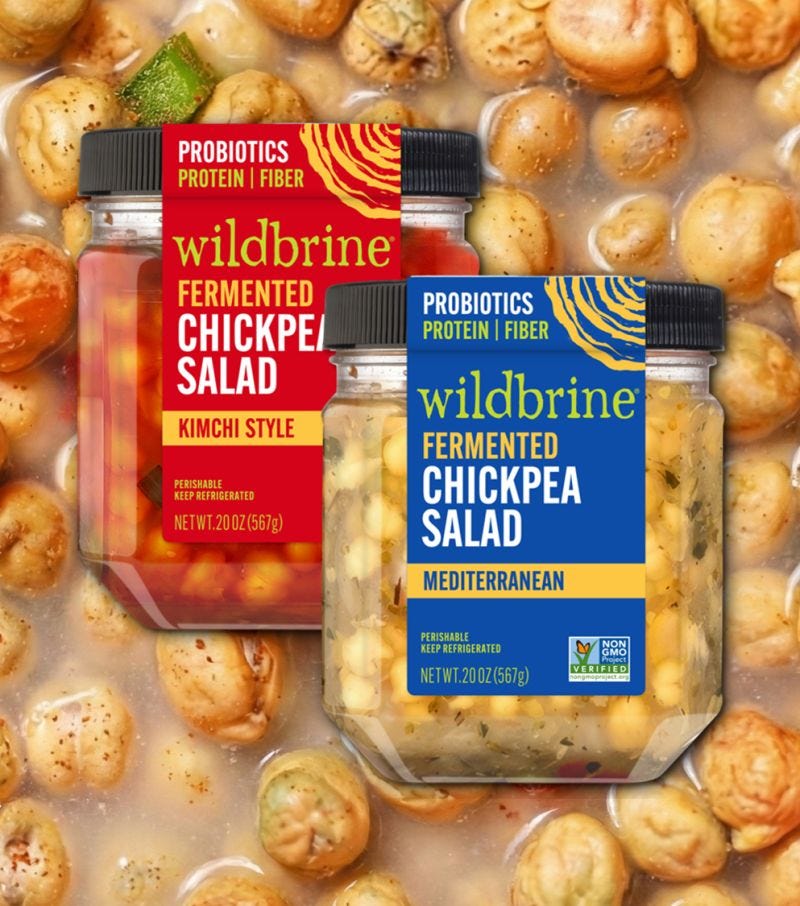
Fermented Foods Holdings, parent company of Wild Brine and Bubbies Pickles, is another example he respects. “They care about the treatment of the fermented products,” he says. When the brand did an exclusive Wild Brine chickpea launch with Whole Foods, it was an extension of what the brand already stood for. “Some of these companies have investors that are like, ‘We need to see that something’s growing,’” Bordelon says. “The buyer can feel the difference. And so can the shopper.”
There’s also a behind-the-scenes dimension to category expansion that’s all about the buyer relationship. Given two brands of similar size pitching the same idea, Bordelon says he’d give shelf space to the $50M brand with a great partnership history over the $55M brand that’s been difficult to work with. “They’ve shown that they actually care,” he says. “Even if they go into some random category, that’s who they are as a brand.”
Exclusivity matters too. Graza’s chip rollout launched through Target before expanding to wider retail, making the retailer a true partner in the story.
The brands that extend well are those whose expansion feels like the natural extension of the story they’ve begun to tell. I’m all for innovation and creative thinking, but I also believe that brand extensions have to be more strategic and aligned, not a desperate attempt to gain relevance or boost sales. Consumers can know the difference.
What we’re seeing in CPG right now is a collision between brand purpose, retail economics, and a consumer psychology fractured by too many choices. The brands that expand well are the ones that make every new place they show up feel inevitable.
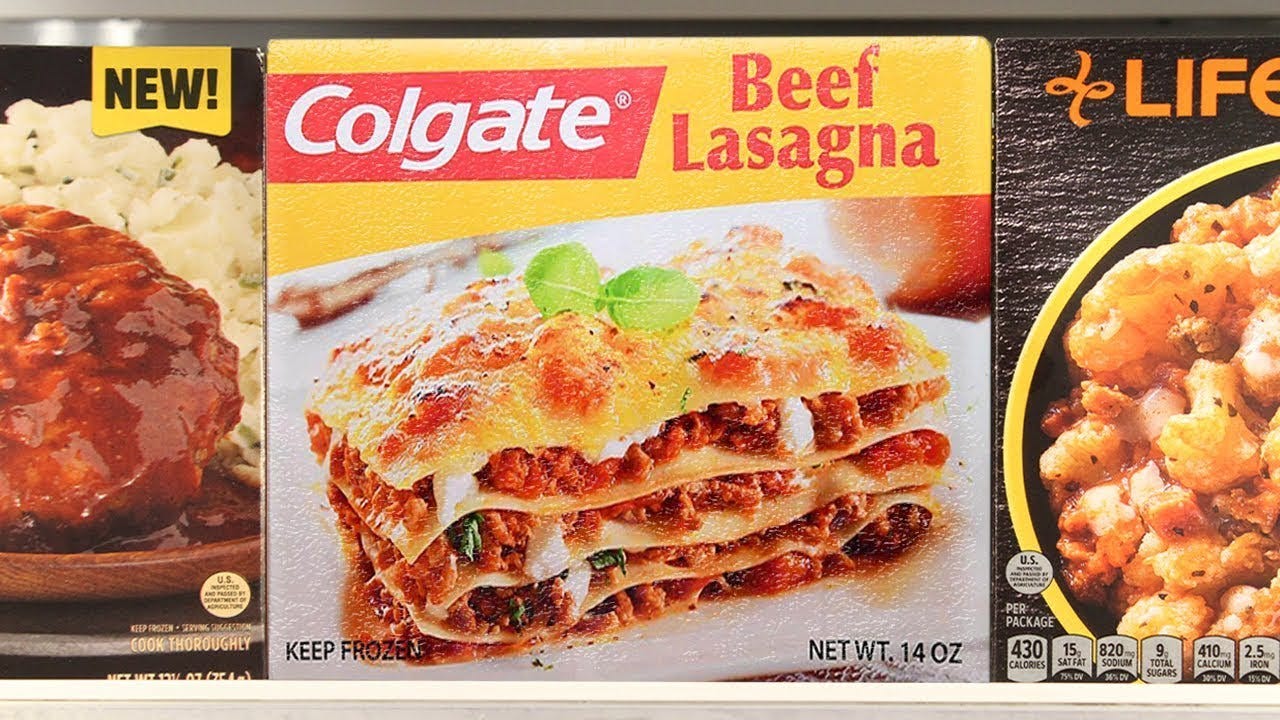
Otherwise, you’ll become as much of a laughing stock as Colgate’s beef lasagna, Cosmopolitan’s yogurt, or Bic’s underwear.
Until next week,
The structural read on most of these extensions is capital pressure, not strategic vision. David and Beyond Meat aren't expanding to be unavoidable. They're expanding because their cap tables require revenue growth that the core category can't deliver anymore. Beyond Meat at -15.3% revenue and -19.5% volume needs a new line item on the next earnings call. Protein drinks become a Hail Mary because the board needs something to point at.
Graza is the exception that proves it. Andrew Benin kept the cap table tight and earned the right to extend on his own timeline. Chips work because the gross margin allows it and the consumer trust was built before the extension shipped. Most VC-backed brands can't replicate that because their investors won't let them wait.
The diagnostic underneath every extension: did the brand earn the right to expand, or is the cap table forcing the move. Consumers can usually feel the difference, even when they can't articulate it.
Greed gussied up as innovation and salvation